Normal Adolescent Behavior(2007)
About Normal Adolescent Behavior
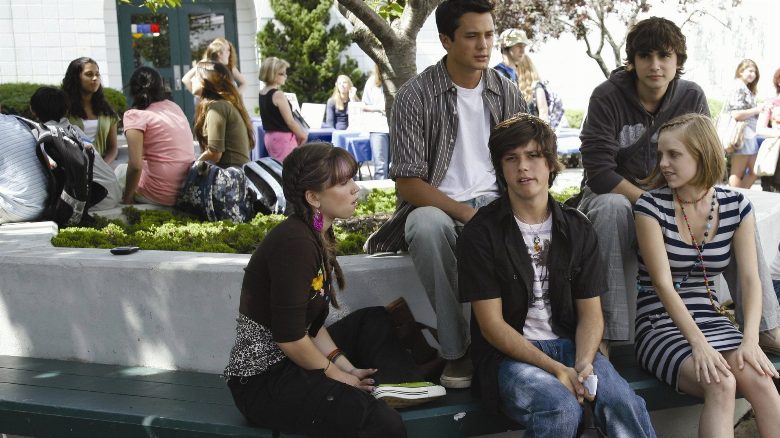
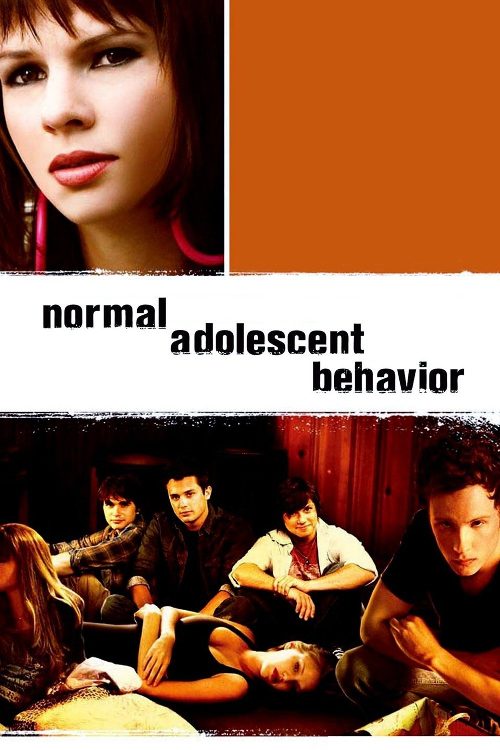
High school student Wendy has an odd relationship with her five friends: They're openly sexual with each other, swapping partners every week. But this is all thrown into turmoil when she meets Sean, a new student in school who has a crush on her. Wendy wants to be with Sean, but doesn't want to disappoint her friends, whom she has known since grade school. When she does decide to leave them, her best friend, Billie, threatens revenge.
Navigating the complex emotional terrain of suburban youth, Normal Adolescent Behavior captures a specific moment in mid-2000s independent cinema where boundary-pushing narratives were frequently used to dissect the artificiality of high school social hierarchies. While many films from this era relied on predictable tropes of cliques and prom-night melodrama, Beth Schacter takes a more provocative route by centering the story on a group of friends bound by an unconventional pact of rotating intimacy. The premise serves as a pressure cooker for the protagonist, Wendy, who finds herself caught between the comfort of a lifelong collective and the jarring, traditional pull of a sincere romantic connection with a newcomer. It is a bold exploration of how adolescent identity often becomes an performance, forcing characters to choose between the safety of their insular circles and the vulnerability required to grow up.
For audiences accustomed to the polished, heightened reality of modern coming-of-age dramas, this film offers a grittier, more experimental look at the anxieties of intimacy. The cultural context of the film feels rooted in a post-teen movie landscape that sought to deconstruct the classic archetypes found in nineties cinema. By framing non-traditional relationship dynamics within a suburban backdrop, the narrative challenges the viewer to consider how long-standing peer pressure can stifle personal evolution. It is a film that will likely resonate with those who appreciate character-driven indie dramas that prioritize psychological friction over simplistic plot resolutions. The tension between the lead character and her protective, volatile friend Billie provides the story with a sharp edge, moving the focus away from typical teenage angst toward something far more possessive and unsettling.
Fans of ensemble-led dramas will find the chemistry among the young cast to be the primary anchor of the production. The film functions as an interesting time capsule for a group of actors who were navigating the transition from television stardom to more challenging, mature cinematic roles. Schacter manages to maintain a distinct, somewhat detached visual tone that emphasizes the isolation of these characters even when they are physically close to one another. Whether the film succeeds as a cautionary tale or a subversion of romance, it remains a notable entry for anyone interested in how mid-budget independent features of that decade attempted to push the boundaries of youth-oriented storytelling. It is a somber, thought-provoking piece that asks difficult questions about where the line exists between unconditional friendship and emotional codependency.
Cast(14)