

Not Far From Heaven(1987)
About Not Far From Heaven
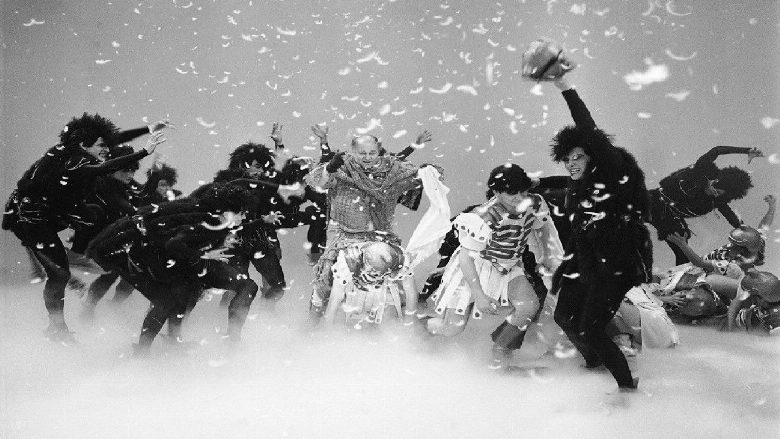
A folk musical about a musician named Šimaľ, who goes to heaven after death. He gradually discovers that the other world is actually just a mirror image of the earthly world and that he can only find true paradise in his native land.
Stepping into the world of Not Far From Heaven offers a nostalgic excursion into the late eighties Slovak cinematic landscape, a period defined by a distinct blend of folklore and whimsical storytelling. While contemporary global audiences often associate international music films with high-budget studio spectacles, this particular piece thrives on the earthy, grounded traditions of its setting. The narrative centers on a musician named Simal, a character whose post-mortem journey serves as a vehicle for exploring the profound pull of one’s roots. By framing the afterlife as a reflection of the mundane, the film elevates simple rural life into something profound, suggesting that the most vibrant melodies are those born from the soil of one's home rather than celestial halls.
The inclusion of celebrated performers like Milan Lasica and Julius Pantik anchors the production in a rich theatrical tradition. For viewers accustomed to the emotional resonance found in Indian regional cinema, where music often functions as the heartbeat of the narrative, this Slovak production will feel surprisingly familiar. It captures that specific longing for home and heritage that echoes themes found in many Telugu or Malayalam dramas, where the connection to the land is treated as a spiritual necessity. The film avoids the trap of becoming a heavy allegory by leaning into its musical roots, utilizing folk motifs to bridge the gap between the ethereal and the everyday. It is a work that prioritizes charm and character over grand spectacle, making it an ideal choice for those who appreciate character-driven stories that utilize music to convey existential yearning.
Audiences who gravitate toward European classics that favor poetic realism will find much to admire here. The film serves as a poignant reminder that the pursuit of perfection often leads us back to the places we started, a sentiment that resonates deeply across cultural boundaries. By stripping away the vanity of paradise, the director invites us to look at our own environments with renewed appreciation. It is a quiet, contemplative piece that stands out for its refusal to treat the afterlife as a destination, but rather as a lens through which we view our own identity. For anyone interested in how different cultures utilize musical storytelling to process life and death, this hidden gem remains a fascinating time capsule of regional creativity.



