About Ohsama Sentai King-Ohger vs. Kyoryuger
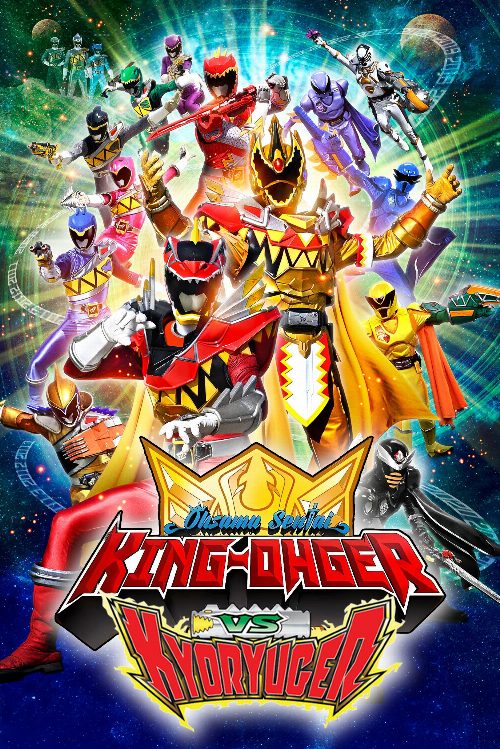
Daigo Kiryu and Utsusemimaru set out on a journey in pursuit of Uchu King Dagded who invaded Earth. However, during the battle with Dagded, Utsusemimaru is sent to Earth in another time. They arrived on Earth, which has been invaded by the Deboth Army, unable to save the universe from Dagded. In order to stop the ruined future, they head back to the original timeline, but due to the changes in the timeline, Uchu King Gira reigns over Chikyuu!
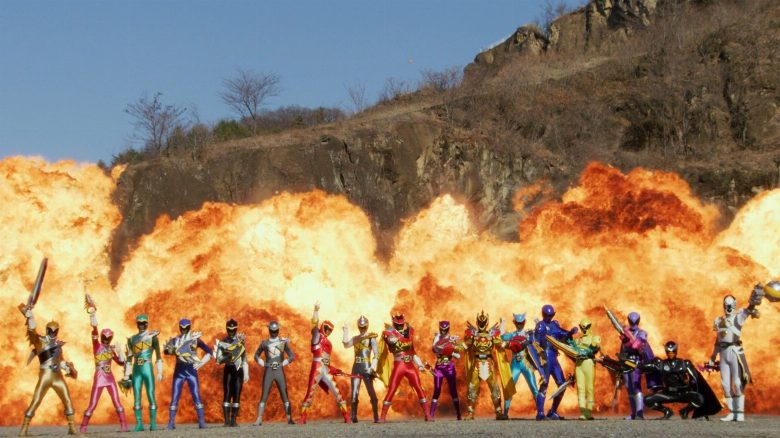
Crossover events within the long-running Super Sentai franchise often serve as high-octane celebrations of legacy, yet Ohsama Sentai King-Ohger vs. Kyoryuger manages to elevate the spectacle by weaving complex temporal anomalies into its narrative fabric. The film acts as a bridge between two distinct generations of heroes, forcing the royal warriors of Chikyuu to contend with the sudden arrival of the Kyoryuger team. This collision of aesthetics—the regal, fantasy-inspired motifs of the King-Ohger era and the dinosaur-themed energy of their predecessors—creates a vibrant visual tapestry that distinguishes this project from standard team-up entries. By placing the characters in a reality where the timeline has been fundamentally altered, the story introduces a sense of urgency that transcends the typical episodic conflicts of the genre.
For followers of the Japanese tokusatsu industry, this production is a masterclass in balancing fan service with genuine stakes. The inclusion of the original Kyoryuger cast provides a nostalgic anchor for those who grew up with the 2013 series, while the King-Ohger ensemble continues to demonstrate the ambitious world-building that defined their primary season. The narrative pivot regarding the altered leadership of Chikyuu offers a compelling hook, turning a straightforward rescue mission into a philosophical debate about duty and authority. It is precisely this willingness to toy with established canon that makes the film a must-watch for those who appreciate seeing how modern directors can manipulate serialized mythology to keep audiences guessing.
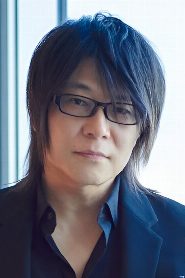
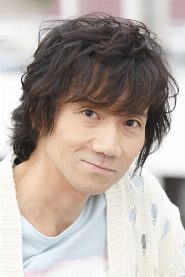
The film is positioned as a quintessential experience for viewers who enjoy high-concept science fiction mixed with stylized martial arts choreography. While the surface level provides the colorful transformations and massive mecha battles expected of the brand, the underlying tension regarding the Deboth Army creates a darker tone that resonates well with the current trend of edgier, more mature superhero storytelling in Japan. The vocal performances from industry veterans like Toshiyuki Morikawa and Shin-ichiro Miki add a layer of gravitas to the proceedings, ensuring that even the most fantastical sequences feel grounded in character-driven drama. Whether one is a lifelong devotee of the franchise or a casual fan of inventive action cinema, this crossover succeeds by treating its premise with the seriousness of an epic saga rather than a mere promotional tie-in. It stands as a testament to the enduring appeal of these masked warriors, proving that even after decades of content, there remain fresh ways to explore the hero mythos.
Cast(35)