About Oliver!
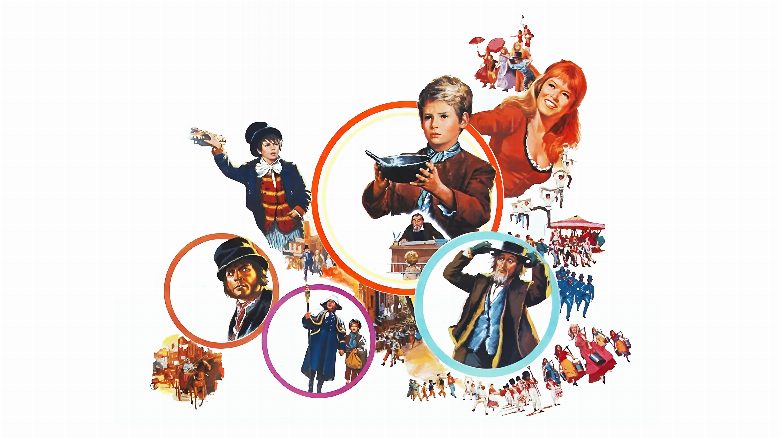
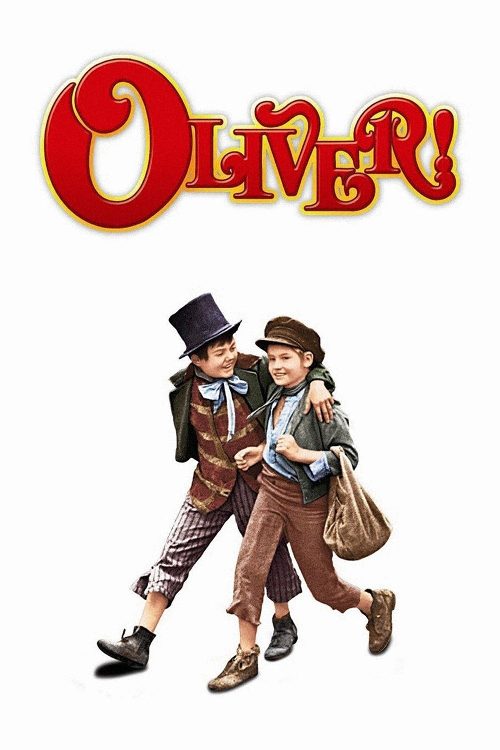
Musical adaptation of Charles Dickens' Oliver Twist, a classic tale of an orphan who runs away from the workhouse and joins up with a group of boys headed by the Artful Dodger and trained to be pickpockets by master thief Fagin.
The 1968 cinematic adaptation of Oliver captures the grim industrial landscape of Victorian England through a lens of grand musical theater, transforming a stark Dickensian narrative into a vibrant, high-stakes spectacle. While modern audiences in the Indian film landscape are accustomed to the seamless integration of song and dance to heighten emotional resonance, this classic production demonstrates how such elements can propel a narrative of social struggle and survival. By focusing on the journey of a vulnerable boy navigating the predatory underworld of London, the film serves as a foundational example of how classic literature can be reimagined for mass entertainment without losing its thematic gravity regarding poverty and class disparity.
For viewers who appreciate the sprawling, ensemble-driven dramas common in the Malayalam or Tamil industries, this film offers a familiar sense of scale and character-based storytelling. The performance of Fagin stands out as a masterclass in moral ambiguity, shifting between a mentor figure and a criminal mastermind, which provides the necessary friction for the protagonist to define his own integrity. The production design captures a sense of claustrophobia within the workhouse contrasted against the deceptive allure of the city streets, ensuring the setting feels like a character in its own right. This visual storytelling remains influential for filmmakers who prioritize world-building as a means to ground their protagonists in specific, often harsh, social realities.
This musical drama is particularly well-suited for those who enjoy character-focused journeys that balance melancholy with moments of triumphant energy. It provides a fascinating bridge between traditional stage craft and the possibilities of the silver screen, making it a must-watch for cinephiles interested in the evolution of the musical genre. Director Carol Reed manages to maintain a sense of urgency despite the elaborate choreography, ensuring the stakes of the orphan protagonist remain front and center. Fans of layered, historical dramas will find much to admire in the film’s commitment to its dark aesthetic, even as it embraces the grandiosity of its musical numbers. It continues to hold a distinct place in global cinema, reminding audiences that even the most desperate situations can be framed through a powerful, resonant score and an uncompromising view of the human spirit.
Cast(40)