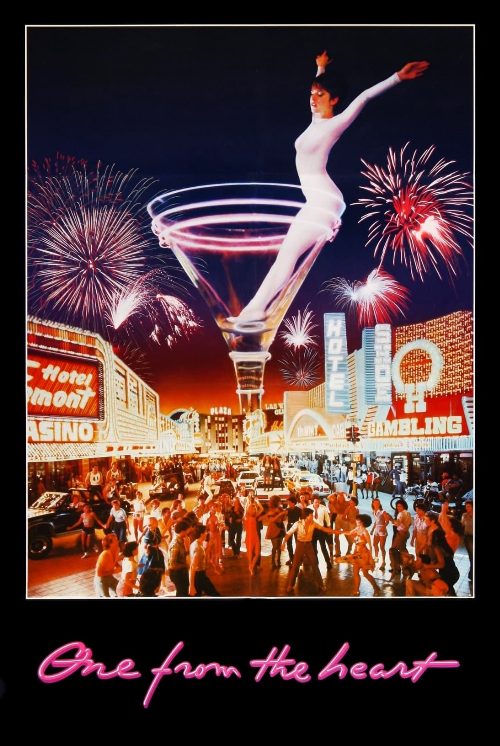
About One from the Heart
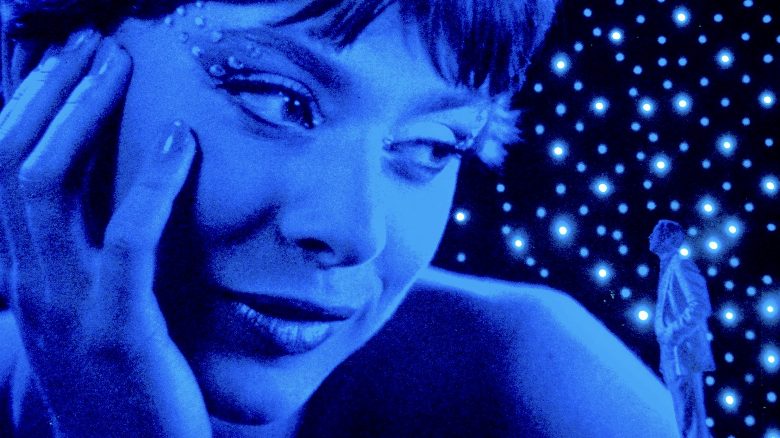
In a dazzling, dreamlike Las Vegas, longtime couple Hank and Frannie break up on their fifth anniversary and each pursue the fantasy of new love over one neon-soaked night—he with a free-spirited acrobat, she with a seductive musician. But as illusion and reality blur, both must decide whether passion or devotion truly defines the heart.
Francis Ford Coppola took a massive creative gamble with One from the Heart, stepping away from the gritty realism of his earlier masterpieces to craft a stylized, artificial universe that feels less like a traditional drama and more like a fever dream set against a painted backdrop of Nevada. While modern audiences often associate grand, experimental visual storytelling with the current wave of high-budget spectacles in global cinema, this 1982 production was a pioneer in prioritizing mood and atmosphere over narrative convention. By constructing a completely fabricated version of Las Vegas inside a studio, the film invites viewers into a hyper-real space where the emotions of the characters are as oversized and luminous as the neon signs flickering in the background. It stands as a fascinating case study in artistic ambition, showcasing a director pushing the boundaries of what a romantic drama can look like when it fully embraces its own theatricality.
The story follows a couple navigating the fraying edges of a five-year commitment, finding themselves pulled toward new, shimmering attractions on a single, transformative evening. This setup serves as a timeless meditation on the conflict between the comfort of long-term devotion and the intoxicating pull of sudden, fleeting infatuation. For viewers who appreciate the aesthetic rigor found in contemporary arthouse cinema or the vibrant, color-saturated emotional landscapes of modern Indian musical dramas, this film offers a similar sense of heightened reality. It is a work for those who prefer their romances served with a side of melancholy and visual flair, rather than straightforward, grounded storytelling. The central performances are anchored in the idea that love is often a performance we put on for ourselves as much as for our partners.
This project remains a pivotal moment in the director's storied career, representing a period where he sought to redefine the technical possibilities of filmmaking through immense scale and intricate set design. While it arrived decades before the current trend of stylized, visually curated cinema became a staple of global streaming platforms, it feels surprisingly relevant to today’s appetite for immersive, dreamlike experiences. Fans of cinematic history will find plenty to analyze in its bold lighting choices and the deliberate way the environment reflects the internal instability of its leads. It is a bold, uncompromising experiment that prioritizes the visceral experience of the heart over the logic of the mind, proving that even at its most artificial, cinema can touch upon deeply human truths about why we choose to stay or wander.
Cast(29)