One Man Band(2005)
About One Man Band
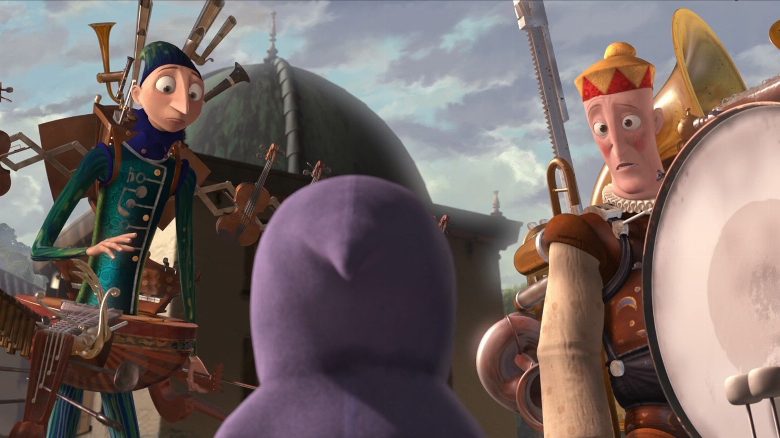
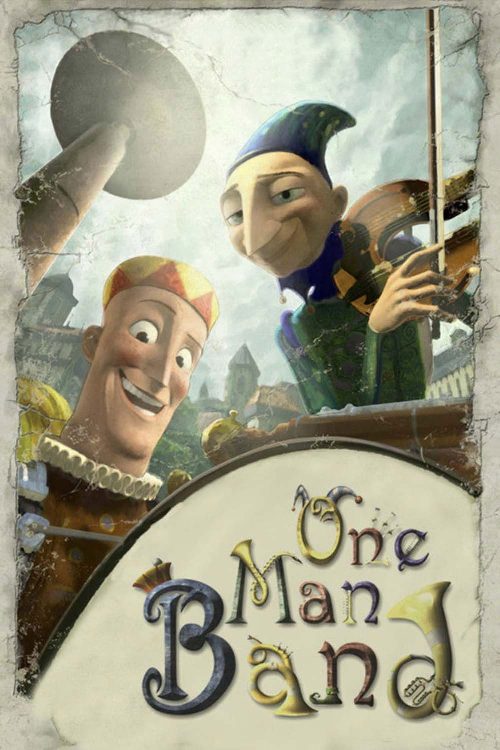
With one coin to make a wish at the piazza fountain, a peasant girl encounters two competing street performers who'd prefer the coin find its way into their tip jars. The little girl, Tippy, is caught in the middle as a musical duel ensues between the one-man-bands.
The silent tension between two rival street performers in a bustling Italian square captures a timeless struggle for artistic recognition that resonates far beyond the confines of animation. Pixar’s 2005 short film One Man Band serves as a masterclass in visual storytelling, stripping away dialogue to rely entirely on the rhythmic interplay of sound and character expression. While modern Indian cinema often emphasizes grand musical numbers as part of its narrative DNA, this short offers a fascinating counterpoint by treating music itself as a weaponized, competitive force. The premise centers on a young girl named Tippy who possesses a single coin, suddenly finding herself the unexpected audience for two ambitious musicians determined to outdo one another for her meager treasure. It is a tight, kinetic piece of filmmaking that highlights how cultural tropes of busking and public performance can be transformed into high-stakes comedy.
This production stands out for its meticulous attention to character design and the exaggerated physics that define the best of the mid-2000s animation boom. For viewers who appreciate the intricate choreography often found in contemporary Tamil or Telugu dance sequences, the rhythmic precision of this musical duel provides a surprisingly familiar sense of showmanship. The film functions as a bridge between classic vaudeville slapstick and modern digital artistry, making it an ideal watch for families or anyone interested in the technical evolution of short-form storytelling. It captures the essence of a piazza culture where every passerby is a potential patron, and every performance is a desperate bid for survival.
The creative team behind this project demonstrates a sharp understanding of escalation, ensuring that the escalating volume and complexity of the musical instruments mirror the growing desperation of the rivals. While it lacks the sprawling melodrama typical of a big-budget Hindi feature, its focus on the singular human desire to be seen and valued is universal. It appeals particularly to those who enjoy films that prioritize visual cues over exposition, a stylistic choice that remains relevant in an era where global audiences are increasingly consuming content across linguistic barriers. By turning a simple transaction into a chaotic symphony, the film reminds us that the most engaging stories are often those that find profound friction in the most mundane of interactions. Whether viewed as a technical exercise or a lighthearted comedy, it remains a standout entry in the history of short-form animation.