
About One More Try
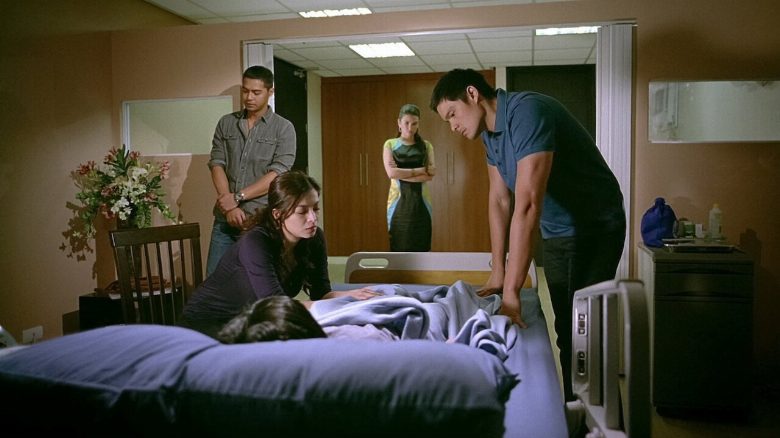
After her son becomes critically ill, Grace seeks help from his successful father, whose new wife encourages him to help until all treatments fail, leaving no options but to produce a biological sibling.
Cinema often thrives on the collision between moral duty and personal happiness, a space where One More Try navigates with striking emotional intensity. This 2012 drama stands as a quintessential piece of Filipino storytelling that resonates far beyond its local roots, tapping into universal anxieties regarding family, sacrifice, and the complex ties that bind former lovers. At its core, the narrative centers on a mother facing the agonizing reality of her childs failing health, a situation that forces her to approach a past flame who has since moved on to a new life. The film distinguishes itself by avoiding the typical melodrama pitfalls, instead focusing on the excruciating ethical dilemma faced by both the parents and the new wife who finds herself thrust into an impossible predicament.
Within the landscape of Southeast Asian cinema, this film serves as a masterclass in tension, mirroring the high stakes often found in the most compelling Telugu or Hindi family dramas where societal expectations and domestic crises intersect. The strength of the production lies in its nuanced characterizations; rather than painting the protagonists as simple heroes or villains, the script allows each individual to grapple with their own selfishness and altruism. For fans of intense character-driven narratives, the performances carry a weight that elevates the premise from a standard medical drama into a profound exploration of human desperation. It is a film that asks uncomfortable questions about how far one should go to save a life and whether the cost of such a miracle is worth the trauma inflicted on those caught in the crossfire.
Viewers who appreciate emotionally charged storytelling will find this a deeply gripping experience. It is not merely a story about a medical crisis but a study of the fragile architecture of relationships when faced with an existential threat. The lead actors deliver restrained yet powerful turns, ensuring that the gravity of the situation never feels manufactured or hollow. As the situation reaches a breaking point, the film forces the audience to confront the blurred lines between duty and betrayal. It remains a standout entry in the genre, providing a raw look at the lengths to which parents will go to secure the future of their offspring, even when the path forward requires destroying the peace they have painstakingly built for themselves. This is essential viewing for anyone drawn to stories that prioritize emotional stakes over spectacle, proving that the most dramatic conflicts often occur within the quiet walls of a home.
Cast(19)