
About One on One
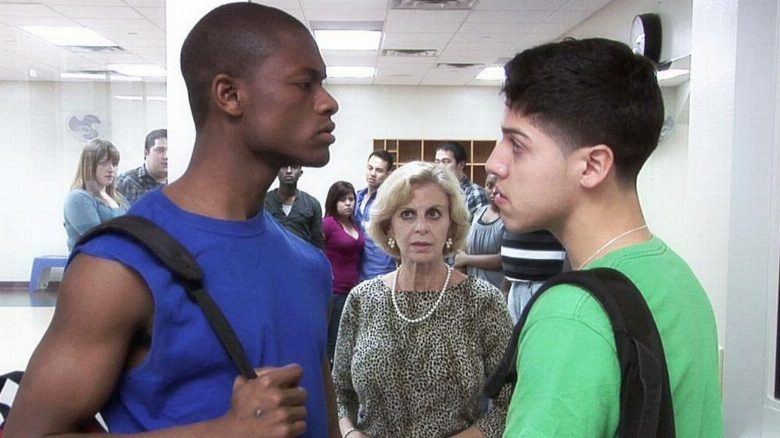
A story about compromise, 'One On One' follow Alex and Trevor as they work out their relationship on and off the basketball court, after one of them asks the other one to join a waltz class together.
Beyond the polished exterior of traditional romantic comedies, the 2010 independent feature One on One carves out a niche by examining the fragile architecture of male friendship through the lens of shared vulnerability. Rather than relying on the high-octane drama often found in sports-themed narratives, the film centers its conflict on the quiet friction that arises when two individuals are forced to step outside their comfort zones. By pairing the competitive intensity of a basketball court with the structured intimacy of a waltz class, the story highlights the absurdity and the necessity of personal growth. It is a refreshing departure from standard buddy films, choosing instead to focus on the awkward, often hilarious, process of reconciling differing expectations in a long-term bond.
In the landscape of global cinema, where industries like Tollywood or Bollywood frequently lean into grand spectacles or heightened emotional stakes, One on One serves as an interesting case study in minimalist storytelling. While Indian cinema has seen a surge in urban-centric dramedies that explore the complexities of modern masculinity, this film represents an earlier, indie-focused iteration of that trend. It captures a specific moment in the indie landscape where low-budget productions prioritized character-driven dialogue over sprawling production design. For viewers who appreciate the nuances of human interaction and the way minor disagreements can spiral into defining moments for a friendship, the film offers a grounded perspective that feels both intimate and relatable.
The strength of the film lies in its commitment to the central duo, whose performances provide the necessary grounding for the script’s comedic beats. By avoiding the temptation to turn the narrative into a broad farce, the production maintains a steady focus on the subtle power dynamics between the leads. It is particularly well-suited for audiences who enjoy character studies that feel like a snapshot of real life rather than a polished, overly scripted experience. Even over a decade after its release, the film remains a testament to the idea that the most engaging stories do not always require global stakes; sometimes, the most profound transformations occur when two people simply try to navigate a dance floor together. Those who favor independent, dialogue-heavy projects will likely find this look at compromise and companionship to be a charming, understated addition to their watchlist.