About Ouija
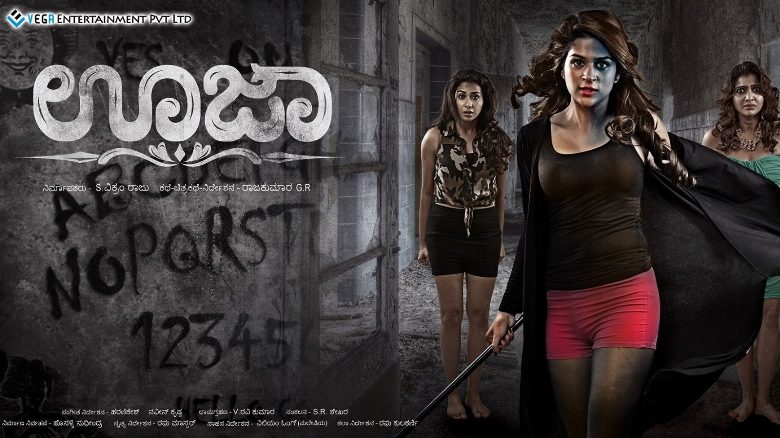
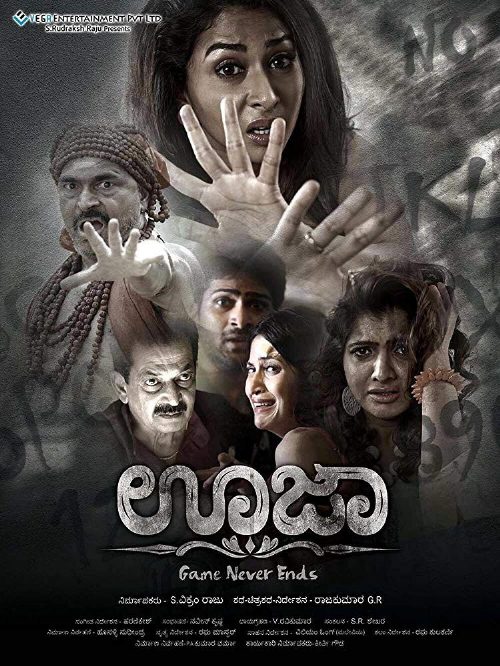
The happy go lucky girls working as software professionals start a short film to pursue their dreams of film making. Everything goes well apart from the theme of the film they chosen.
The landscape of Kannada cinema has long embraced the supernatural, yet few projects capture the specific anxiety of urban professionals dabbling in the occult quite like the 2015 release Ouija. At its core, the story follows a group of young women employed in the bustling software industry who decide to pivot toward their creative aspirations by producing a short film. While their professional lives are grounded in logic and modern technology, the subject matter they select for their project inadvertently bridges the gap between digital ambition and ancient, restless spirits. This setup taps into a recurring fascination within regional Indian horror, where the disconnect between high-tech lifestyles and traditional folklore serves as a fertile ground for atmospheric tension.
This film is positioned as a quintessential entry in the Kannada horror canon, standing out because it centers on women who are driven by their own artistic agency rather than being mere bystanders to a haunting. By placing characters who are accustomed to controlling complex systems into a situation where they have absolutely no leverage, the narrative builds a unique psychological stakes. It reflects a broader trend of contemporary filmmakers in Karnataka experimenting with genre conventions to mirror the experiences of a younger generation that is increasingly caught between corporate pressures and their personal passions. The inclusion of seasoned actors like Sayaji Shinde and Avinash adds a necessary layer of gravitas, anchoring the more frantic moments of the supernatural encounters with veteran screen presence that keeps the audience grounded even as the plot ventures into the macabre.
Viewers who enjoy character-driven scares rather than just empty jump-scare spectacles will likely find this production compelling. It is designed for those who appreciate seeing familiar, everyday environments transformed into spaces of dread through the lens of local superstitions. Because the film avoids the bloated budgets of major pan-Indian blockbusters, it retains a raw, intimate quality that feels specific to its regional roots. It serves as an intriguing time capsule of mid-2010s Kannada cinema, showcasing how the industry began to blend the aesthetic polish of urban storytelling with the visceral, terrifying tropes that have defined horror in the region for decades. For anyone looking to explore how Kannada filmmakers translate the modern workplace into a gothic playground, this film remains a curious and effective piece of genre fiction.