About Paranormal Activity
After a young, middle-class couple moves into what seems like a typical suburban house, they become increasingly disturbed by a presence that may or may not be demonic but is certainly the most active in the middle of the night.
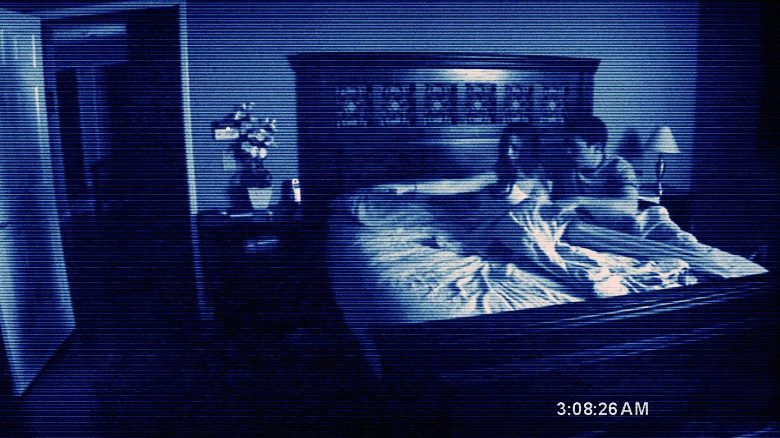
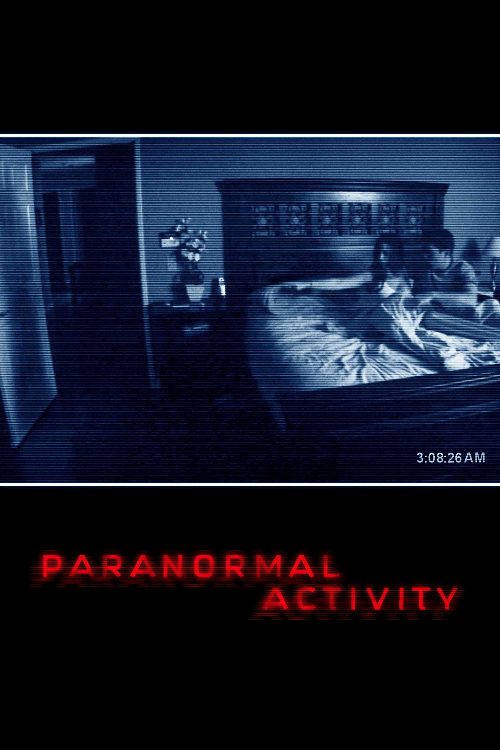
The found footage subgenre underwent a seismic shift in 2007 with the arrival of Paranormal Activity, a film that stripped away the high-budget artifice of Hollywood horror to prioritize pure, unadulterated dread. By focusing on a couple navigating the unsettling shifts in their domestic environment, the movie tapped into the universal anxiety of the home being a place of vulnerability rather than sanctuary. While Indian cinema has long explored supernatural phenomena through grand folklore and elaborate visual effects, this production serves as a stark contrast by proving that the most terrifying experiences are often the ones captured in the mundane stillness of a bedroom at three in the morning. It remains a masterclass in tension, utilizing silence and the suggestion of movement to force the audience to scan every corner of the frame for signs of an unseen intruder.
For viewers who appreciate the recent surge of minimalist horror in Malayalam and Tamil industries, where atmospheric storytelling often trumps creature design, this film offers a blueprint for how to build terror on a shoestring budget. It is positioned as an essential watch for those who prefer psychological discomfort over jump scares. The narrative centers on the friction between two partners, one of whom attempts to document the nocturnal disturbances, creating an intimate dynamic that makes the eventual escalation feel deeply personal. Because the story avoids the heavy exposition typically found in larger studio projects, it allows the viewer to fill in the blanks with their own imagination, which is arguably the most effective tool in the horror filmmaker’s arsenal.
This project is a testament to the power of a single, well-executed concept, showing that a compelling premise can resonate globally regardless of the cultural setting. Its influence can be seen in how modern independent directors now approach the supernatural, favoring handheld camera work and naturalistic performances to ground their stories in reality. Even for audiences accustomed to the high-octane drama of contemporary Telugu or Hindi cinema, this experience provides a refreshing change of pace. It is a lean, calculated exercise in suspense that remains a benchmark for the genre, inviting viewers to question what might be lurking just outside the edges of their own perception when the lights go out. Those who enjoy dissecting the mechanics of fear will find this an indispensable piece of cinema history that continues to challenge how we perceive the comfort of our own living spaces.
Cast(9)