About Paris Is Burning
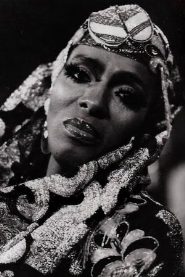
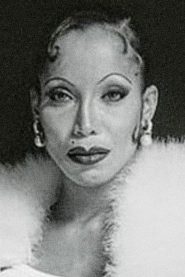
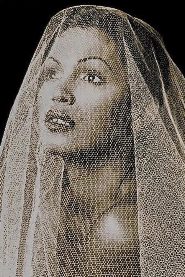
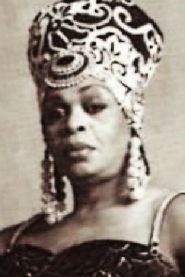
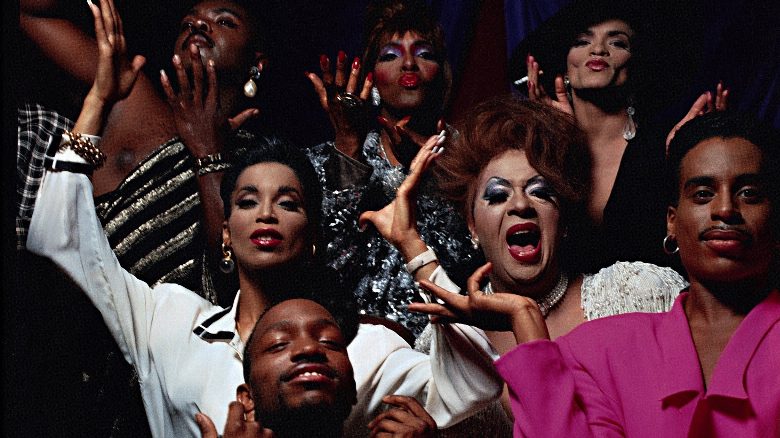
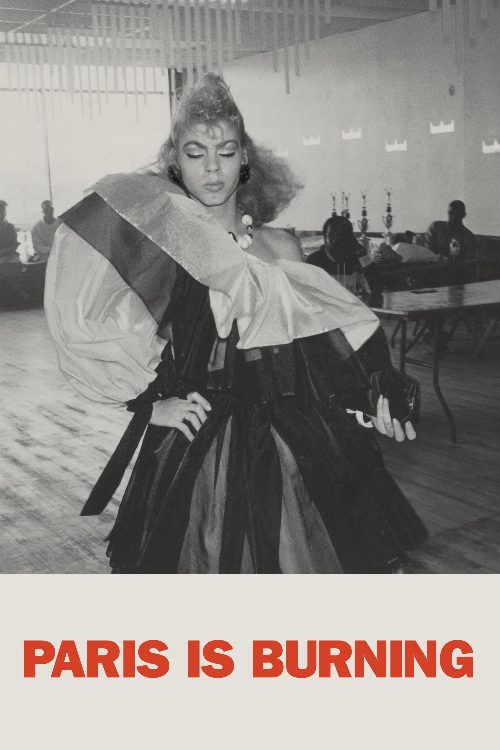
Where does voguing come from, and what, exactly, is throwing shade? This landmark documentary provides a vibrant snapshot of the 1980s through the eyes of New York City's African American and Latinx Harlem drag-ball scene. Made over seven years, PARIS IS BURNING offers an intimate portrait of rival fashion "houses," from fierce contests for trophies to house mothers offering sustenance in a world rampant with homophobia, transphobia, racism, AIDS, and poverty. Featuring legendary voguers, drag queens, and trans women — including Willi Ninja, Pepper LaBeija, Dorian Corey, and Venus Xtravaganza.
Few cinematic documents capture the intersection of survival and performative art as potently as Jennie Livingston’s seminal look into the late twentieth-century drag ball culture of New York City. While global audiences today are familiar with the mainstream appropriation of voguing and the lexicon of shade, this film serves as an essential primary source that strips away the glitter to reveal the profound human stakes beneath the choreography. By documenting the lives of those navigating a landscape defined by systemic exclusion and the looming specter of the AIDS crisis, the film functions as both a time capsule of queer resilience and a poignant testament to the importance of chosen families. It occupies a unique space in documentary history, bridging the gap between ethnographic observation and deeply personal storytelling.
For viewers accustomed to the polished aesthetic of modern competition reality television, this work provides a sobering yet electrifying look at the grassroots origins of a now-ubiquitous cultural movement. The film centers on the house system, where individuals marginalized by broader society formed surrogate kinships that provided not only emotional support but also a stage for self-actualization. The director spent years immersing herself in these spaces, allowing for an intimacy that feels remarkably unscripted and raw. Figures like Willi Ninja and Pepper LaBeija command the screen, transforming the ballroom floor into a sanctuary where identity is not just performed but reclaimed. It is this dedication to capturing the authentic voices of the Harlem drag scene that makes the project an enduring pillar of independent cinema.
This documentary is a must-watch for anyone interested in the sociology of subcultures or the history of marginalized communities fighting for visibility. It transcends the boundaries of the specific scene it observes, offering universal insights into the human desire to be seen, celebrated, and protected against a hostile world. While the film is rooted in a specific American urban experience, its themes of navigating adversity through creativity resonate deeply with contemporary global audiences who recognize similar struggles in their own regional industries. Whether you are a student of film history or simply looking for a narrative that balances the harsh realities of the era with the sheer brilliance of its subjects, this feature remains a vital, must-see masterwork. It is a hauntingly beautiful reminder that for many, style and grace are not just aesthetic choices, but vital tools for survival in a world that would otherwise leave them behind.
Cast(24)