
About Paris, Texas
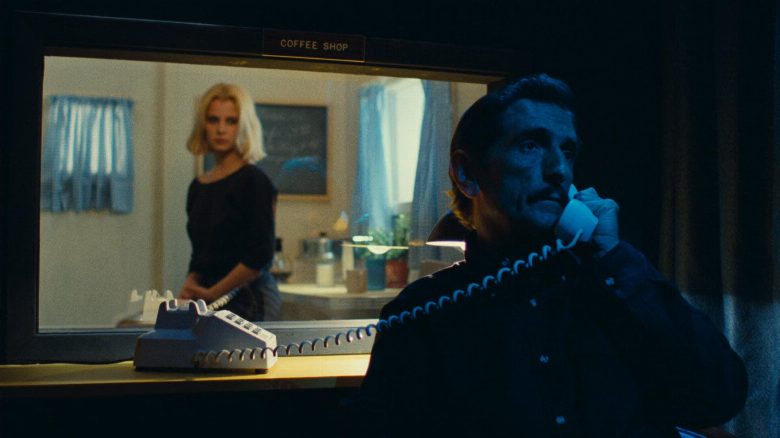
A man wanders out of the desert not knowing who he is. His brother finds him, and helps to pull his memory back of the life he led before he walked out on his family and disappeared four years earlier.
The vast, sun-scorched expanse of the American Southwest serves as the haunting backdrop for a cinematic journey that feels less like a traditional road movie and more like a meditative excavation of the human soul. Paris Texas offers a profound exploration of estrangement and the agonizing difficulty of bridging the distance between people who once shared a life. For audiences accustomed to the high-octane drama or intricate emotional tapestries often found in modern Indian regional cinema, this film provides a stark, minimalist contrast. It prioritizes silence and lingering shots over heavy exposition, demanding that the viewer sit with the discomfort of a man who has effectively erased his own existence. The film captures a specific mid-eighties melancholy that resonates with anyone interested in the foundational works of independent world cinema.
At the heart of the narrative is the weary presence of Harry Dean Stanton, whose performance anchors the story in a fragile, crumbling reality. His portrayal of a wanderer emerging from the dust is a masterclass in subtlety, stripping away the hero archetypes typically seen in commercial storytelling. As he is reunited with his brother and eventually his young son, the film deftly shifts from a character study into a delicate examination of fatherhood and regret. Director Wim Wenders treats the landscape as a primary character, utilizing the wide-open spaces to emphasize the isolation of his protagonist. This visual language will appeal to fans of contemplative dramas who appreciate slow-burn storytelling where the emotional stakes are high even when the dialogue remains sparse.
While the cultural setting is rooted firmly in the American landscape, the thematic resonance of a man reconciling with his past is a universal hook that transcends geography. In an era when global cinema is increasingly obsessed with sprawling multiverses or grand spectacles, this film stands as a reminder of the power found in intimacy and quiet revelation. It is an essential watch for cinephiles who want to understand the lineage of road-trip narratives and those who enjoy films that favor atmosphere over plot-driven mechanics. By focusing on the painful process of reconstruction, it invites the audience to consider how much of our identity is tied to the people we leave behind and the homes we can never truly return to in the same way. It remains a poignant, visually arresting piece of art that continues to influence how directors approach the intersection of geography and internal trauma.
Cast(17)