Picnic at Hanging Rock(1975)
About Picnic at Hanging Rock
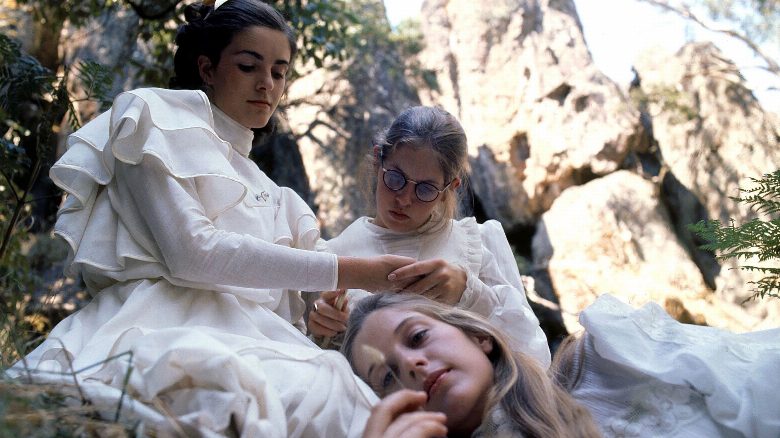
In the early 1900s, Miranda attends a girls boarding school in Australia. One Valentine's Day, the school's typically strict headmistress treats the girls to a picnic field trip to an unusual but scenic volcanic formation called Hanging Rock. Despite rules against it, Miranda and several other girls venture off. It's not until the end of the day that the faculty realizes the girls and one of the teachers have disappeared mysteriously.
Peter Weirs 1975 masterpiece Picnic at Hanging Rock remains a definitive touchstone of Australian cinema, casting a long shadow over the psychological thriller genre. While contemporary audiences familiar with the high-octane energy of modern Indian thrillers might expect a frantic search for answers, this film operates with a haunting, meditative precision that is rare in modern storytelling. Set against the backdrop of a rigid Edwardian boarding school, the narrative centers on an ill-fated excursion to a prehistoric geological formation. The tension arises not from what is explicitly shown, but from the unsettling silence that follows the inexplicable vanishing of several students and their chaperone. It is a slow-burn experience that prioritizes atmospheric dread over traditional procedural beats, making it a compelling study for those who appreciate films that linger in the mind long after the final frame.
The film occupies a unique space in global film history by blending colonial repression with the untamed, ancient mysticism of the Australian landscape. Much like the best examples of parallel cinema from India that challenge linear narrative norms, this work forces the viewer to confront the limits of rationality. The headmistress, an embodiment of strict Victorian order, serves as a fascinating foil to the wild, unknowable nature of the rock itself. Those who gravitate toward arthouse dramas or films that explore the collision between civil society and primal forces will find much to admire here. It is an essential watch for cinephiles who value visual storytelling and symbolic depth, particularly those who study how environments can function as primary characters in a mystery.
Peter Weir demonstrates a masterful command of light and composition, using the sun-drenched, dreamlike aesthetic of the Australian bush to mask a deep, underlying anxiety. The film stands as a testament to the power of ambiguity, refusing to provide the easy resolution that many mainstream audiences might crave. For viewers who enjoy the suspenseful layering found in complex psychological dramas, the film offers a masterclass in tone. It does not demand to be solved; instead, it invites the audience to sit with the discomfort of the unknown. By stripping away the comfort of a definitive explanation, the director crafts an enduring puzzle that continues to captivate generations of film scholars and casual viewers alike. It is a quintessential example of how a singular, enigmatic event can be expanded into a profound exploration of human frailty and the mysterious pull of the wild.
Cast(35)