About Pilgrim
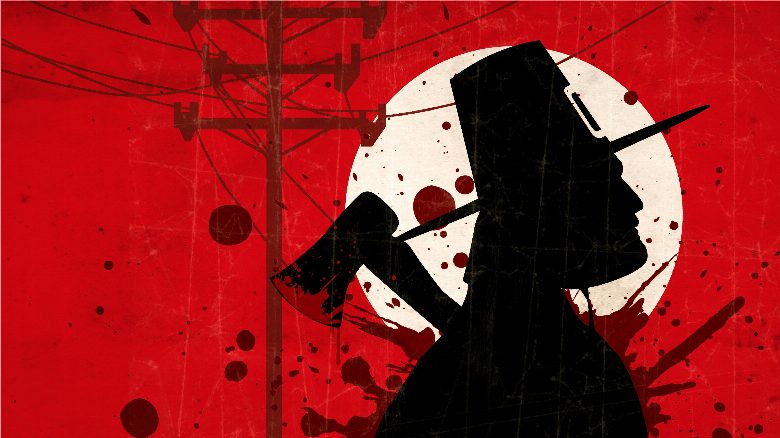
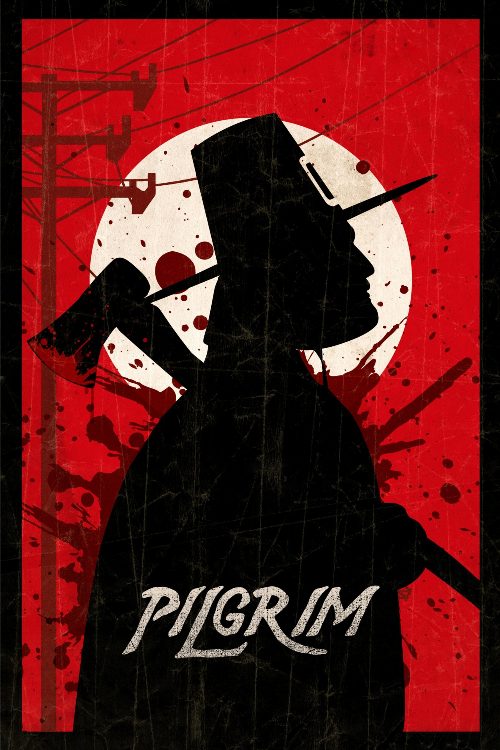
In an attempt to remind her family of their privilege and help them bond, Ms. Anna Barker invites Pilgrim reenactors to stay with them over Thanksgiving. When the “actors” refuse to break character, the Barker family learns that there is such a thing as too much gratitude.
The domestic sanctuary of a Thanksgiving gathering undergoes a chilling transformation in the 2019 horror thriller Pilgrim. While many films in the genre rely on supernatural entities or slasher tropes, director Marcus Dunstan pivots toward the unsettling concept of total devotion to a persona. By inviting historical reenactors into their home to teach her children a lesson about appreciation, a well-meaning mother inadvertently invites a level of psychological warfare that thrives on the rigidity of period-accurate behavior. This narrative choice elevates the film above standard home invasion fare, turning the dinner table into a claustrophobic stage where the threat is not just physical violence, but the terrifying refusal of the guests to step out of their assigned roles.
For audiences accustomed to the high-octane emotional stakes of Indian cinema, where family dynamics are often explored through grand drama or intense cultural tradition, Pilgrim offers a dark inversion of those values. The film operates on the premise that gratitude, when enforced through extreme measures, can become a weaponized tool of suppression. It fits into a broader trend of contemporary international horror that examines the fragility of the suburban dream, much like recent psychological thrillers that dissect the hidden rot beneath polite societal gatherings. Fans of taut pacing and those who enjoy watching characters struggle against an immovable, ideologically driven force will find the tension particularly effective.
Marcus Dunstan, known for his work in the Saw franchise, demonstrates a clear command of suspense here, favoring grounded, visceral discomfort over elaborate special effects. The cast, featuring Courtney Henggeler and Kerr Smith, manages to ground the absurdity of the premise, making the family’s descent into helplessness feel genuinely harrowing rather than campy. This is a film for viewers who prefer their horror served with a side of social critique, specifically targeting the intersection of historical obsession and modern familial disconnect. By stripping away the comfort of the holiday setting, the production forces its characters to reckon with the consequences of inviting strangers into their most intimate space. It serves as a stark reminder that some traditions are better left in the past, and that the performance of gratitude can sometimes mask the most dangerous intentions. While it may not feature the expansive scope of a sprawling regional epic, the film succeeds in its singular, suffocating focus on a nightmare that unfolds within the four walls of a single home.