Pithamagan(2003)
About Pithamagan
A young orphan grows up in a graveyard and is devoid of any human feelings; when he leaves the cemetery and meets people, he experiences emotions for the first time.
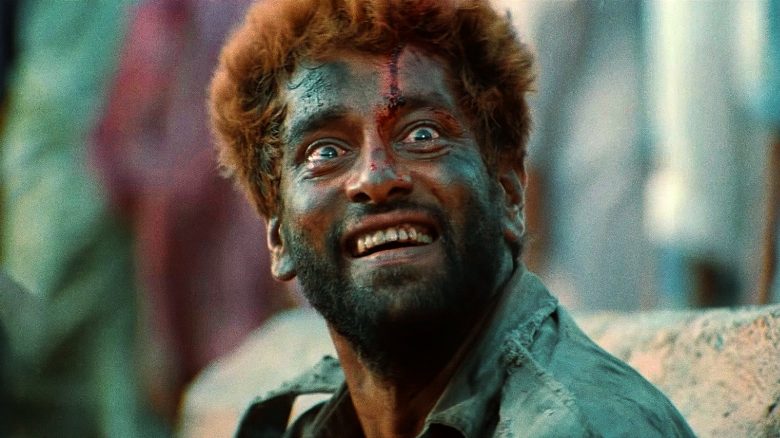
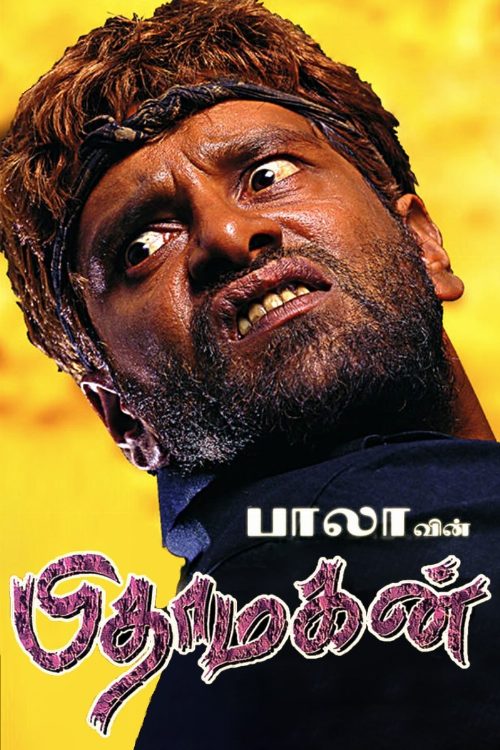
Few cinematic portraits capture the raw intersection of solitude and humanity quite like the haunting character study presented in Pithamagan. Directed by Bala, a filmmaker known for his unflinching gaze into the fringes of society, this 2003 Tamil masterpiece remains a touchstone for performance-driven storytelling. The narrative centers on a man raised in total isolation among the departed, an upbringing that stripped him of social graces and emotional expression. When he is thrust into the bustling, often deceptive world of city life, the film transforms into a profound exploration of how a person devoid of conventional conditioning navigates the complexities of betrayal, friendship, and affection. It is a stark departure from the typical high-octane action fare that dominated the early 2000s, choosing instead to prioritize the visceral transformation of its protagonist.
The film is anchored by a legendary collaboration between Vikram and Suriya, two stalwarts of the Tamil film industry who were at pivotal stages in their respective careers during this production. Vikram, in particular, delivered a performance that is still cited as a masterclass in physical acting, portraying a character who communicates almost entirely through body language rather than dialogue. By pairing this brooding, primal figure with a street-smart con man played by Suriya, the director creates an unlikely dynamic that pulses with both friction and unexpected heart. This contrast highlights a recurring theme in modern Indian cinema: the struggle of the marginalized to find a place within a rigid social hierarchy. The grim, gritty aesthetic of the cinematography further grounds the story, stripping away the glamour often associated with mainstream entertainment to reveal a more honest, albeit bleak, perspective on human nature.
Audiences who appreciate character-centric dramas that challenge the status quo will find much to admire in this visceral piece of storytelling. While it carries the intensity of a drama, the film functions as a psychological study that forces the viewer to reconsider what it means to be civilized. It appeals to those who enjoy the darker, more experimental side of regional Indian cinema, where directors are given the space to explore unconventional protagonists without the pressure of traditional heroic tropes. For fans of the cast members, the project stands as a testament to their willingness to embrace challenging, transformative roles early in their journeys. Even decades after its initial release, the film retains a raw, visceral power that resonates with anyone interested in the evolution of performance-led narratives in South Indian film history.
Cast(13)