About Possession
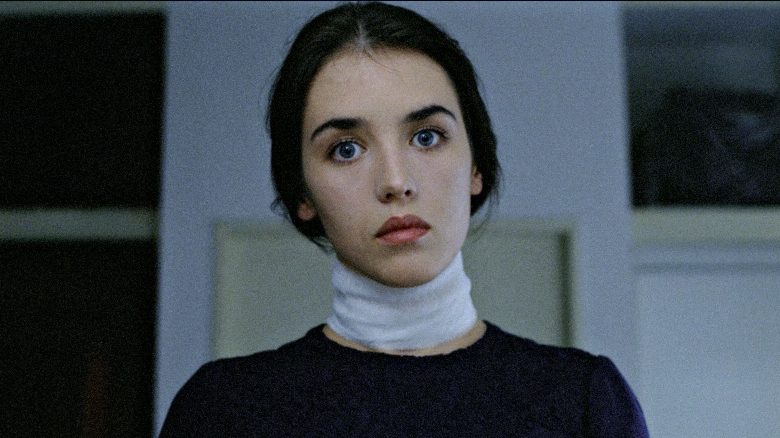
A young woman left her family for an unspecified reason. The husband determines to find out the truth and starts following his wife. At first, he suspects that a man is involved. But gradually, he finds out more and more strange behaviors and bizarre incidents that indicate something more than a possessed love affair.
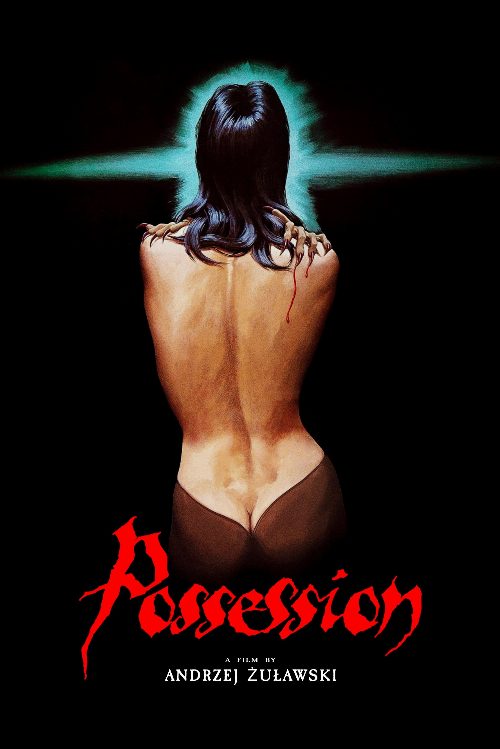
Few cinematic experiences capture the visceral disintegration of a marriage with as much unsettling intensity as the 1981 cult classic Possession. While international audiences often categorize this work as a traditional horror story, it functions more effectively as a psychological excavation of domestic collapse. Directed by Andrzej Zulawski, the film serves as a brutal counterpoint to the more sanitized relationship dramas of its era. By grounding the narrative in the crumbling infrastructure of Cold War era Berlin, the film utilizes its bleak, claustrophobic setting to amplify the internal fracturing of its protagonists. For viewers familiar with the bold, experimental storytelling currently defining the output of contemporary Indian auteurs in the Malayalam and Tamil industries, this film will feel remarkably ahead of its time, mirroring the trend of using genre tropes to explore complex societal anxieties.
The brilliance of the film lies in the powerhouse performances of Isabelle Adjani and Sam Neill, who commit to their roles with a level of ferocity rarely seen in mainstream cinema. Their portrayals move beyond standard tropes of infidelity, pushing into a surreal landscape where emotional trauma manifests as something tangibly monstrous. It is this refusal to remain within the comfortable boundaries of a standard thriller that makes the work a staple for cinephiles who appreciate high-concept, avant-garde horror. Rather than relying on jump scares, the movie builds a sense of dread through erratic pacing and a visual language that feels increasingly unhinged as the story progresses.
This is a film crafted specifically for those who find comfort in the uncomfortable, appealing to fans of cerebral, high-stakes dramas that challenge traditional narrative structures. Its legacy has only grown over the decades, as modern audiences continue to revisit it for its uncompromising vision of human instability. While it demands a high level of patience and emotional stamina, it rewards the viewer with a haunting exploration of how far a person might go when they feel their identity slipping away. For anyone interested in the evolution of psychological horror, it remains a mandatory viewing experience that stands as a stark reminder of the power of raw, unfiltered artistic expression in cinema.
Cast(13)