About Prodigy
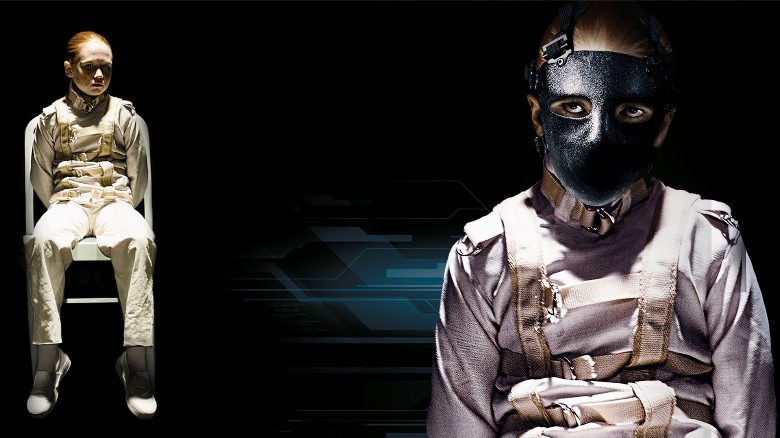
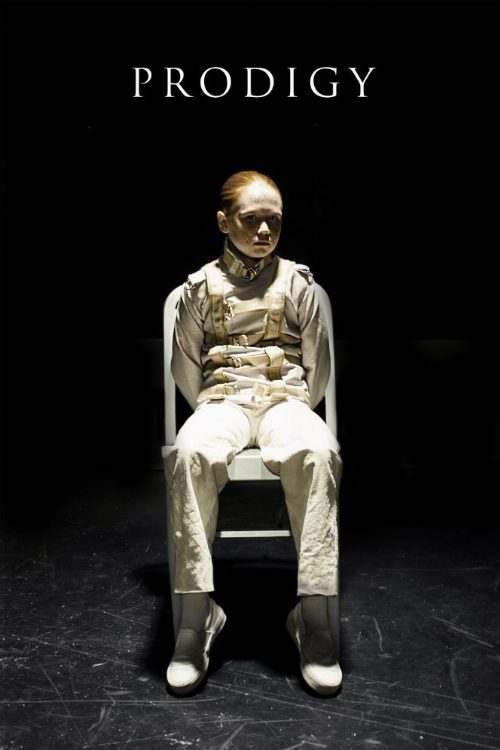
Jimmy is a committed child psychologist who uses his own playbook, but when he is brought in to work with Ellie, he is completely unprepared for his subject—a 9-year-old psychopathic genius with nothing to lose. As he begins to understand the extent of her capabilities and the fate that has been planned for her, he struggles to overcome her defenses before it is too late for them both.
Rarely does a low budget science fiction thriller manage to capture the chilling duality of innocence and menace as effectively as Prodigy. Directed by Brian Vidal, this lean, atmospheric piece of storytelling sidesteps the common reliance on heavy visual effects in favor of a claustrophobic character study that thrives on tension. The narrative centers on a high-stakes meeting between a specialized mental health professional and a young girl whose intellectual capacity far exceeds her years. While the premise may recall familiar tropes of gifted youngsters in captivity, the film distinguishes itself by focusing on the psychological chess match between the two leads rather than leaning into traditional action sequences. It is a thoughtful exploration of how society often reacts with fear when faced with something it cannot quantify or control.
For viewers who appreciate the gritty, grounded aesthetic found in independent genre cinema, this film offers a refreshing alternative to the bombastic spectacles currently dominating global screens. In the context of modern Indian cinema, where regional industries like Telugu and Malayalam are increasingly experimenting with high-concept thrillers, Prodigy serves as an excellent example of how a singular, focused script can sustain audience interest through performance alone. Savannah Liles delivers a standout turn as the young subject, anchoring the film with a maturity that makes the central mystery feel genuinely precarious. The film moves at a deliberate pace, inviting the audience to question the ethics of the institutions involved and the morality of the psychologist attempting to bridge the gap with his patient.
This production is highly recommended for those who enjoy psychological dramas that demand active engagement rather than passive consumption. Its appeal lies in its ambiguity; it refuses to provide easy answers about the nature of the protagonist’s abilities or the ultimate intentions of the figures lurking in the shadows. Richard Neil brings a necessary weariness to his role as the doctor, grounding the more fantastical elements of the story in a reality that feels uncomfortably close to home. Because the film avoids the pitfalls of over-explanation, it leaves a lasting impression that lingers long after the final scene. For anyone looking for a tight, suspenseful experience that prioritizes character development over pyrotechnics, this project remains a compelling watch that highlights the power of effective, minimalist filmmaking.
Cast(13)