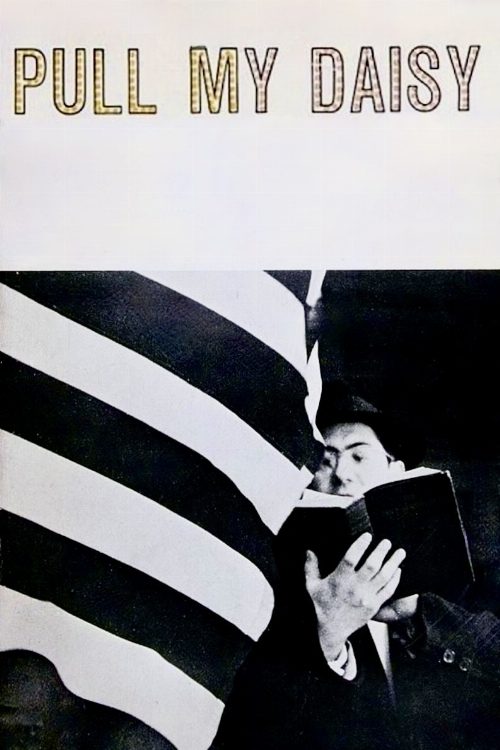
About Pull My Daisy
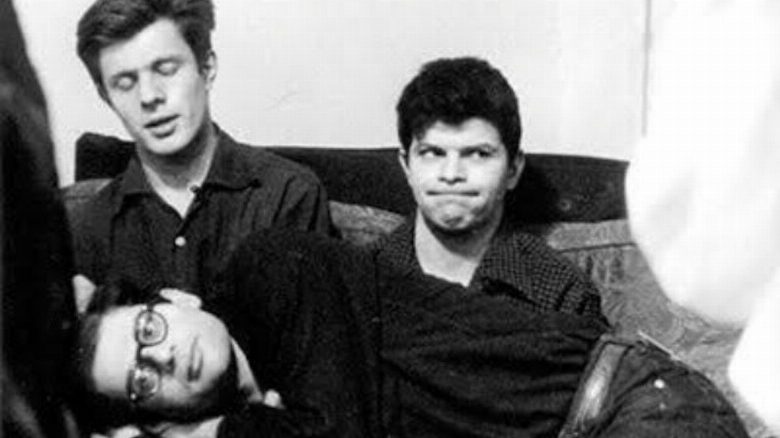
Based on an incident in the life of Beat icon Neal Cassady and his wife, the painter Carolyn, the film tells the story of a railway brakeman whose wife invites a respected bishop over for dinner. However, the brakeman's Bohemian friends crash the party, with comic results. Pull My Daisy is a film that typifies the Beat Generation. Directed by Robert Frank and Alfred Leslie, Daisy was adapted by Jack Kerouac from the third act of his play, Beat Generation; Kerouac also provided improvised narration.
Stepping back into the landscape of late fifties independent cinema, Pull My Daisy emerges as a quintessential artifact of the Beat Generation, capturing a specific slice of counterculture life that remains influential to this day. While modern Indian cinema often explores the friction between traditional domesticity and urban bohemianism through high-budget dramas, this classic American short offers a raw, improvisational look at those same themes decades earlier. The narrative centers on the chaotic collision between a working-class railway employee, his spouse, and a conservative religious figure, all upended by the sudden arrival of a group of poets and artists. It functions less as a traditional comedy and more as a sensory experience, prioritizing the frantic, unscripted energy of its participants over a polished plot.
The film serves as a vital bridge between experimental visual arts and narrative storytelling. Directed by Robert Frank and Alfred Leslie, it benefits immensely from the distinct, rhythmic narration provided by Jack Kerouac. For viewers who appreciate the spontaneous filmmaking found in contemporary independent world cinema, this piece will feel surprisingly familiar. It discards the rigid studio constraints of its time to favor an authentic portrayal of intellectual circles, making it a must-watch for those interested in the history of underground artistic movements. The presence of actual literary icons like Allen Ginsberg and Gregory Corso provides a level of historical gravity that anchors the humor, turning what could have been a simple farce into a profound document of a creative era.
For a contemporary audience, particularly those who follow the global shift toward character-driven narratives, this work stands out for its refusal to adhere to conventional pacing. It captures the essence of a social gathering gone off the rails, mirroring the frantic and often nonsensical nature of artistic life. The collaboration between figures who were redefining American literature at the time ensures that every frame feels charged with a specific intellectual urgency. Whether you are a student of global film history or simply a fan of stories that prioritize atmosphere and personality over structured exposition, the film offers a singular, vibrant glimpse into a bygone period of rebellion. It remains a fascinating study of how spontaneity can be preserved on screen, proving that the most compelling dramas are often found in the messy, unscripted interactions between people who refuse to conform to societal expectations.
Cast(11)