Re-cycle(2006)
About Re-cycle
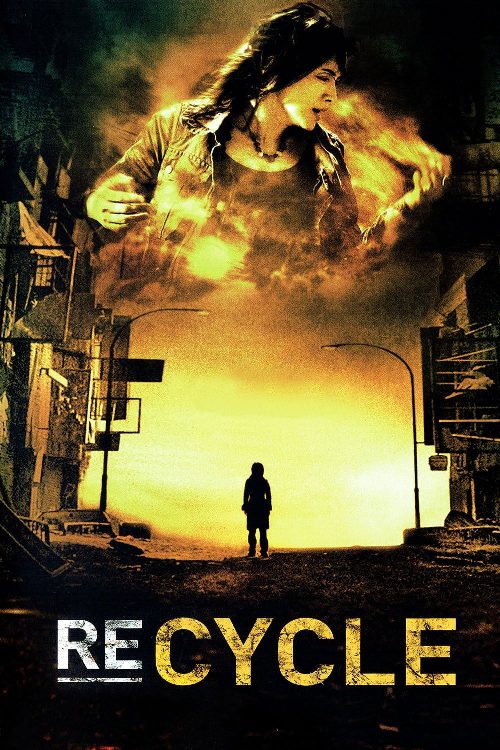
Ting-yin, a young novelist, is struggling to come up with a followup to her best-selling trilogy of romance novels. After drafting her first chapter, she stops and deletes the file from her computer. She then starts seeing strange, unexplainable things and finds that she is experiencing the supernatural events that she described in her novel-to-be.
Stepping into the surreal landscape of Re-cycle feels like traversing the fractured subconscious of a creative mind pushed to its absolute limits. While many horror films rely on jump scares or conventional haunting tropes, this 2006 feature from Oxide Pang Chun opts for a visceral exploration of artistic anxiety manifest in physical form. The narrative centers on a successful romance writer who finds her reality bleeding into the discarded drafts of an abandoned horror manuscript. It is a fascinating premise that transforms the blank page into a gateway for existential dread, effectively blurring the lines between the authorial voice and the victim of a supernatural labyrinth.
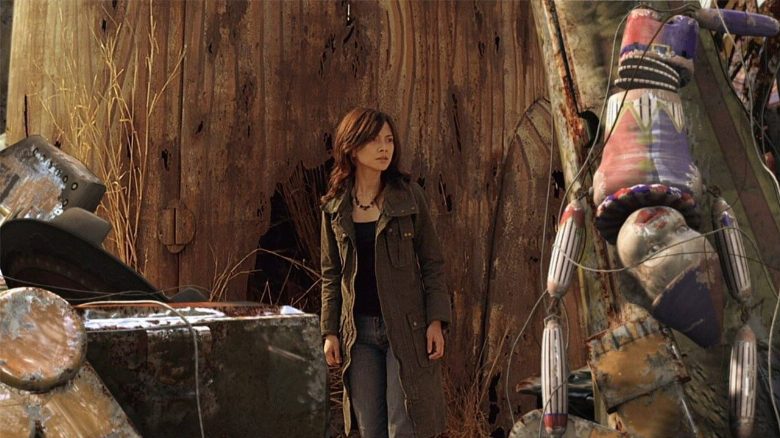
For audiences familiar with the broader spectrum of pan-Asian genre cinema, this film occupies a distinct space that bridges the gap between psychological thriller and high-concept fantasy. Much like the stylistic boldness found in modern Tamil or Malayalam experimental horror, Re-cycle prioritizes atmospheric world-building over predictable tension. The visual language employed here is particularly striking, as it treats the protagonist's deleted chapters as a literal dumping ground for discarded concepts, creating a nightmarish aesthetic that feels both imaginative and unsettling. Angelica Lee Sin-Jie delivers a grounded performance that anchors the increasingly bizarre developments, ensuring that viewers remain tethered to the emotional stakes even as the logic of the story descends into chaos.
This film is an essential watch for those who appreciate narratives that challenge traditional storytelling structures. It serves as a compelling study of how creative frustration can warp one's perception of safety, making it a perfect recommendation for enthusiasts of psychological puzzles. While the film has earned its place as a cult favorite within the horror community, its thematic focus on the weight of forgotten ideas resonates with anyone who has ever wrestled with the creative process. By positioning the afterlife of rejected drafts as a terrifying void, the director crafts an experience that is as intellectually stimulating as it is macabre. It stands as a testament to a period of bold experimentation in international cinema, offering a unique vision that remains distinct from the standard supernatural fare of its time.
Cast(8)