
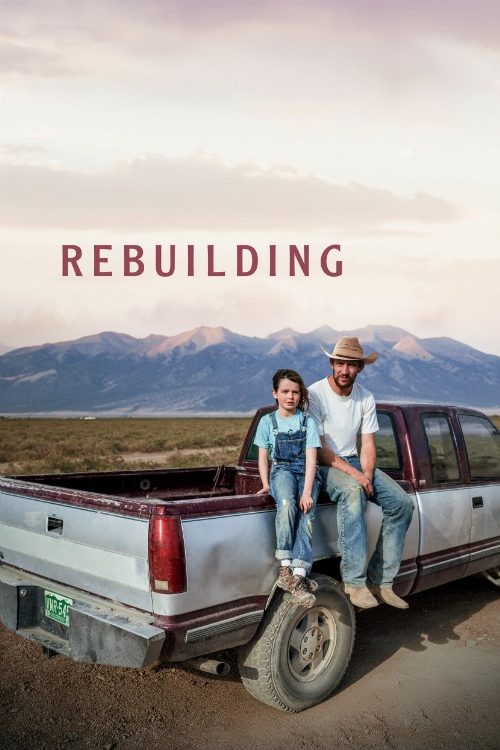
About Rebuilding
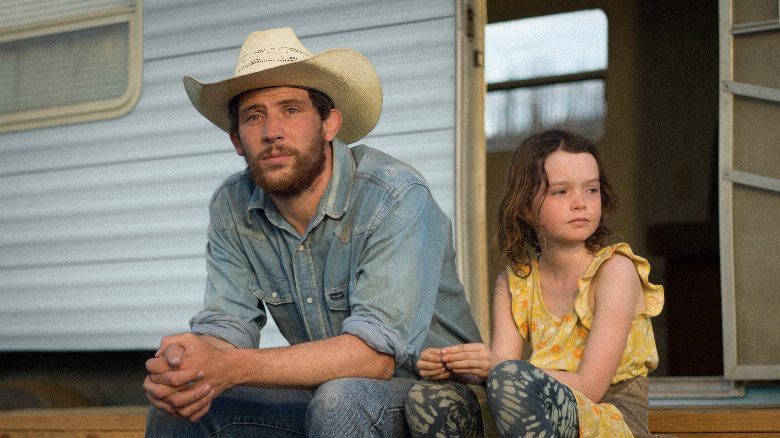
After wildfires take his ranch, a cowboy named Dusty winds up in a FEMA camp, finding community with others who lost homes, including his daughter and ex-wife.
The fragility of the American dream takes center stage in Rebuilding, a poignant 2025 drama that strips away the romanticized veneer of Western life to explore the raw aftermath of environmental catastrophe. While many films in the current global landscape lean toward spectacle, this production anchors itself in the quiet, devastating reality of displacement. By focusing on a man forced to trade his sprawling ranch for the sterile, temporary walls of a government-run shelter, the narrative examines how identity is reshaped when one’s physical connection to the land is severed by fire. It is a stark departure from the typical high-octane thrillers frequently dominating modern cinema, offering instead a meditative look at the endurance of human bonds under extreme duress.
In an era where regional Indian cinema continues to gain international acclaim for its emotional depth and grounded storytelling, Rebuilding finds its rhythm by echoing similar themes of familial reconciliation. Much like the best dramas emerging from the Malayalam or Tamil industries, which often prioritize character interiority over grand action sequences, this film places its weight on the fractured relationships between its leads. Meghann Fahy and Kali Reis anchor the story with performances that suggest a deep, lived-in weariness, while the presence of Amy Madigan and Jefferson Mays adds a layer of seasoned gravitas. The dynamic between Dusty and his estranged family members provides the necessary friction to turn a story about disaster recovery into a compelling exploration of forgiveness and the arduous process of starting over.
This film is positioned as essential viewing for audiences who appreciate character-driven narratives that eschew easy resolutions. It will likely resonate most with viewers who admire the slow-burn intensity found in independent dramas that value dialogue and subtle gestures over heavy-handed melodrama. By centering the experience of people navigating the bureaucratic and emotional labyrinth of a FEMA camp, the film captures a contemporary anxiety about safety and belonging. For those who track the evolution of human-centric storytelling, this project stands as a testament to how small, intimate struggles can mirror the larger, turbulent shifts in the global environment. It is a sophisticated addition to the 2025 slate, proving that sometimes the most powerful stories are those that unfold in the wake of the flames, focusing not on what was lost, but on how to construct a new life from the ashes.
Cast(17)