About Relatives
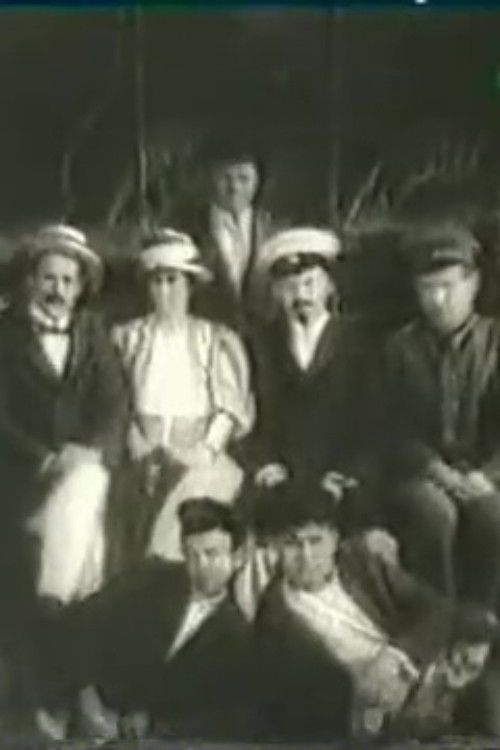
A female correspondent of the newspaper Pravda Vostoka in the family of locomotive engineer G. Ya. Lukov; viewing family photos of the Lukov family. G. Ya. Lukov's son, who works at a factory in another city, writes a letter to his father. A group of men repairing the locomotive. A poster: 'Lukovets is a locomotive engineer who mastered the highest wisdom of locomotive work.' Young locomotive engineers, Komsomol members, competing in labor with G. Ya. Lukov.
Archival cinema often serves as a time capsule for the Soviet era, and Relatives stands out as a curious artifact from 1933 that blends personal narrative with the rigid ideological framing of its day. Directed by German Piotrovskiy, this documentary captures the life of a locomotive engineer named G. Ya. Lukov, positioning him as a paragon of labor and industrial prowess. Rather than merely documenting a private household, the film functions as a piece of state-sponsored portraiture, emphasizing the integration of family life into the broader machinery of national progress. For viewers interested in the intersection of propaganda and early non-fiction filmmaking, the project offers a fascinating look at how the Soviet regime utilized the image of the exemplary worker to inspire the Komsomol youth and boost industrial morale.
The narrative structure revolves around a visit from a Pravda Vostoka journalist, who acts as an observer of the Lukov home, bridging the gap between the domestic sphere and the public workplace. The film cleverly highlights the contrast between the intimacy of family photo albums and the cold, mechanical reality of the railway yard. By showcasing the engineer not just as a father, but as a mentor whose expertise is sought after by younger generations, the director paints a picture of a man who is essentially public property. The inclusion of a letter from a son working in a distant factory reinforces the theme of a sprawling, nationwide family unit built on the foundation of shared productivity and socialist competition.
Modern audiences who appreciate the evolving history of documentary cinema will find this a worthwhile study, particularly for its stylized portrayal of labor. While it is certainly a product of its time, designed to glorify the Stakhanovite spirit long before that term became ubiquitous, it remains an essential watch for film historians studying early twentieth-century Russian media. The film is less a candid look at human relationships and more an exploration of how cinema was used to codify the identity of the ideal citizen. Those who enjoy the intersection of history and cinematography will see this as a clear precursor to the industrial documentaries that would define the era, serving as a reminder of how powerful visual storytelling was leveraged to shape public consciousness during a period of rapid societal transformation.