
Return of the Kickfighter(1987)
About Return of the Kickfighter
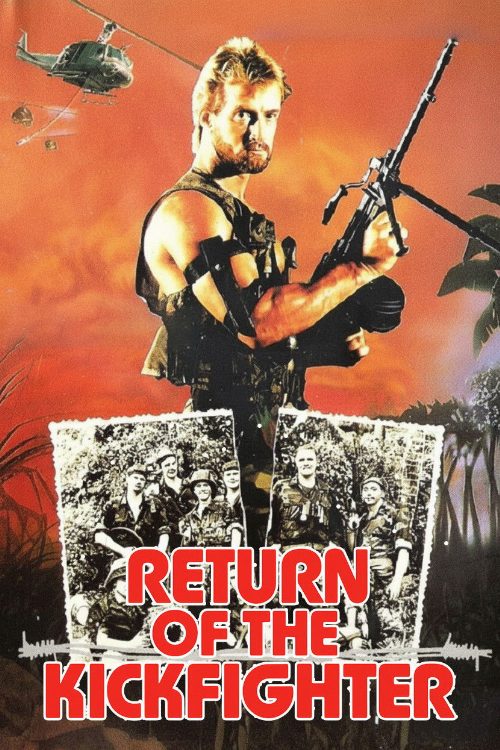
The plot concerns a unit of US marines operating in the Vietnam war during 1970, with the movie opening on a raid in a village. After massacring the villagers, the marines steal the villages gold, much to the objection of their Vietnamese translator and guide. Skip forward past the credits sequence; it's now 15 years later, and members of the unit are getting murdered one by one. This leads to the former head of the group, now a high ranking military officer, announcing that the only person who is up to the job of finding out the identity of the killer is an Aussie, Major Brad Cooper.
Return of the Kickfighter serves as a quintessential artifact of the late eighties global action boom, representing a specific era of international co-productions that thrived on gritty locales and high-stakes skirmishes. Directed by Anthony Maharaj, the film leans heavily into the tropes of the exploitation cinema genre while maintaining a narrative structure that bridges the gap between historical conflict and the slasher-style retribution thriller. By framing its central mystery around a past atrocity committed during the Vietnam War, the movie attempts to add a layer of moral weight to the standard revenge premise, transforming a simple manhunt into a reckoning with long-buried sins. It is a fascinating study in how filmmakers of that period utilized limited resources to craft expansive war sequences, often relying on the physical prowess of their leads to carry the weight of the production.
For audiences who appreciate the raw, unpolished energy of eighties martial arts cinema, this film offers a compelling roster of talent, including Richard Norton, whose presence is a hallmark of quality for genre enthusiasts. The shift from a battlefield setting in the early seventies to the tense atmosphere of a decade and a half later provides a unique structural tension, allowing the story to function as both a war drama and a suspenseful procedural. While modern viewers might find the pacing distinct from the sleek, hyper-kinetic action films currently dominating the global market, there is a recognizable charm in the practical stunts and the earnest commitment of the cast. It occupies a space similar to other cult favorites that prioritized tactile combat over digital spectacle, making it an essential watch for those exploring the evolution of the action archetype.
The film is positioned as a showcase for high-impact choreography, serving as a reminder of a time when the physical capabilities of performers were the primary draw for ticket buyers. Its focus on a specialized operative tasked with tracking down ghosts from his own military past taps into the popular tropes of the era, where professional soldiers were often forced to clean up messes left by their own peers. Whether you are a fan of classic combat cinema or simply interested in the historical trajectory of independent action filmmaking, this feature provides a window into the creative strategies of the time. Anthony Maharaj manages to balance the darker themes of betrayal and greed with the inevitable visceral confrontations that the title promises, ensuring that the tension remains high from the opening raid to the final, inevitable showdown.
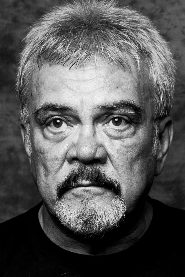
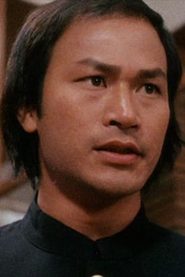
Cast(8)





Crew
Similar Films