Revenge of the Snakes(1962)
About Revenge of the Snakes
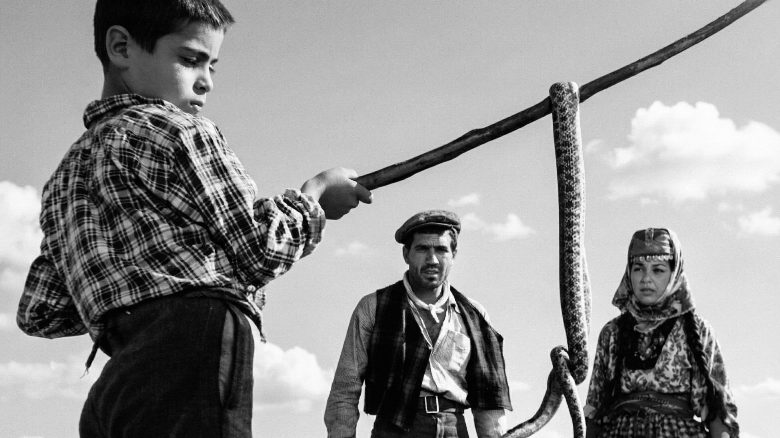
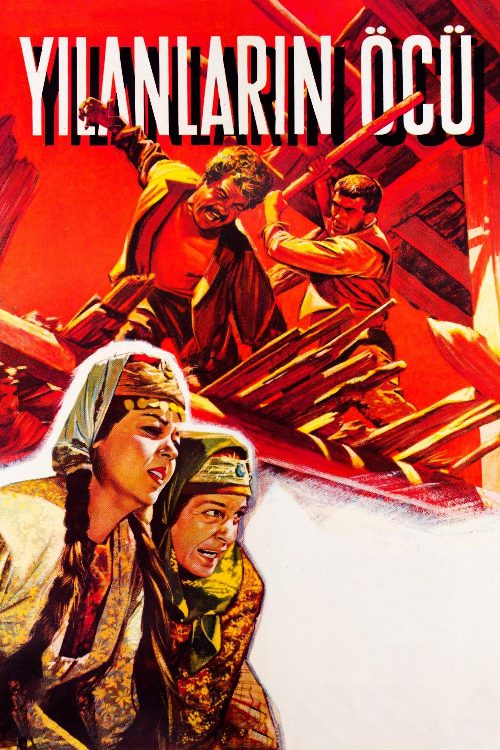
The film follows the life of a poor, old woman defying the hierarchy in the village. Irazca is an old woman who lives with her son Kara Bayram, her daughter-in-law Hatice, and three grandchildren. The headman of the village sells a lot from the common land of the village to Haceli. The family does not want a house to be built in front of their house and struggles against the tricks of the headman and Haceli.
The cinematic landscape of the early sixties in Turkey witnessed a seismic shift with the arrival of Yilanlarin Ocu, a film that dared to peel back the layers of rural exploitation with unflinching realism. Eschewing the romanticized vistas often associated with regional dramas of that era, the story anchors itself in the grit of communal tensions and the stubborn resilience of an aging matriarch named Irazca. She serves as the moral compass of a family pushed to the brink when local power dynamics threaten their meager livelihood. By focusing on the struggle over a shared patch of earth, the narrative transforms a seemingly localized property dispute into a gripping study of power, class, and the erosion of traditional ethics.
This masterpiece remains a cornerstone of Turkish social realism, capturing a moment when the country was grappling with the harsh realities of modernization and its impact on agrarian communities. Erol Tas delivers a performance that demands attention, grounding the conflict in a palpable sense of injustice that resonates far beyond its geographical setting. The film belongs to a vital period of intellectual awakening in national cinema, where directors began using the village setting not as a backdrop for folklore but as a microcosm for broader societal corruption. For viewers who appreciate the raw, character-driven storytelling found in the parallel cinema movements of India or the neorealist classics of Europe, this work offers a similarly profound experience.
The strength of the film lies in its ability to build tension through character psychology rather than mere spectacle. It is a quintessential must-watch for cinephiles who value historical perspective and those interested in how rural hierarchies were challenged on screen during the mid-twentieth century. By positioning Irazca as an unlikely but formidable force against the village elite, the screenplay provides an enduring look at the fight for dignity in the face of systemic bullying. It stands as a testament to the power of film to document the plight of the marginalized, ensuring that even decades later, the struggle of the common citizen remains both relevant and deeply moving for modern audiences.