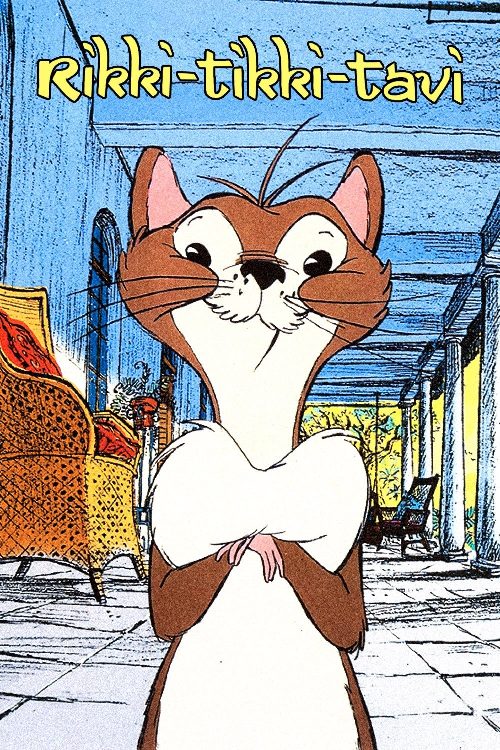
Rikki-Tikki-Tavi(1975)
About Rikki-Tikki-Tavi
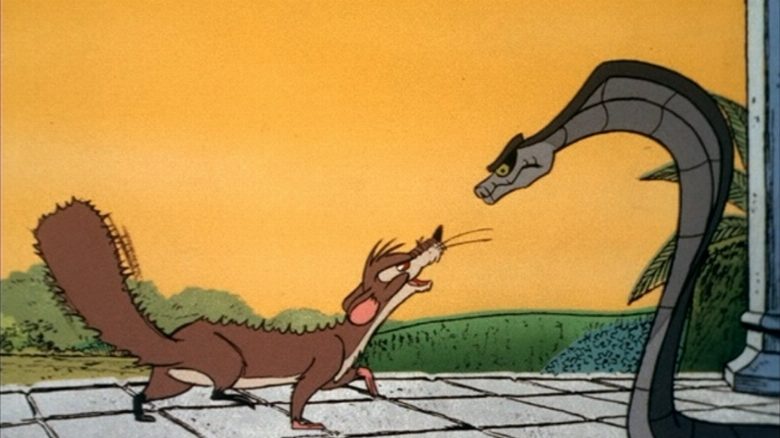
Rikki is a young mongoose who is adopted by a human family after nearly drowning in the river. He returns the favour by protecting them from two murderous cobra.
Few animated features from the mid seventies possess the gravitas and narrative intensity of this adaptation of Rudyard Kipling’s classic tale. While the story of a courageous mongoose defending his human companions is a staple of literary heritage, this specific production leans heavily into a dramatic atmosphere that sets it apart from the more whimsical family fare typical of the era. By grounding the conflict in a palpable sense of danger and utilizing a voice cast that commands attention, the film elevates a simple animal fable into a gripping study of loyalty and territorial instinct. The pacing remains taut, focusing on the inevitable confrontation between the agile protagonist and the sinister serpents that threaten the peace of the garden.
For audiences accustomed to the hyper-kinetic energy of modern digital animation, this version offers a refreshing return to traditional hand-drawn aesthetics that prioritize character expression and environmental mood. It sits comfortably alongside the era’s penchant for literary adaptations that did not shy away from slightly darker themes, making it a compelling watch for viewers who appreciate storytelling that respects the intelligence of younger audiences. The presence of Orson Welles in the production adds a layer of prestige and sonic weight that anchors the fantastical elements of the plot. His contribution ensures that even the quietest moments of the film carry an undercurrent of tension, keeping viewers invested in the survival of the household.
This film remains a significant touchstone for those interested in the evolution of animated storytelling, particularly how Western studios utilized iconic source material to blend natural history with high-stakes drama. In the broader context of global cinema, where stories about animal protectors frequently appear in regional folklore and mythology, this work stands as a quintessential example of the genre’s enduring appeal. It is recommended for families seeking a viewing experience that balances classic adventure with refined voice acting. Whether one is revisiting a childhood favorite or discovering the narrative for the first time, the film serves as a testament to the power of a well-told story where the smallest hero faces the most formidable foes. Its status within the pantheon of animated history is reinforced by its refusal to simplify the life-or-death stakes inherent in the original text, ensuring it retains its impact decades after its initial release.
Cast(5)