About Robbery Under Arms
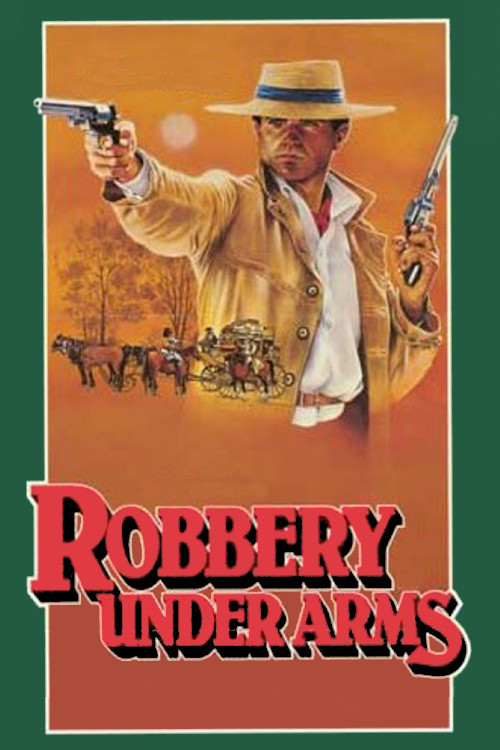
Fourth adaptation and first made for television of the classic Australian bushranger novel "Robbery Under Arms" by Rolf Boldrewood. Made by the South Australian Film Corporation during the mini-series boom of the 1980s and lensed in the Flinders Ranges, it stars Sam Neill as the infamous Captain Starlight.
The rugged allure of the Australian outback serves as a stark, sun-drenched backdrop for this 1985 television adaptation, a production that captures a pivotal moment in the history of regional storytelling. While modern audiences often associate the bushranger genre with gritty, contemporary revisions, this iteration leans into the sprawling, episodic nature of its source material to paint a vivid portrait of colonial lawlessness. By focusing on the moral gray areas inhabited by its outlaws, the production moves beyond simple heroics to explore the complex relationship between the land and those who seek to defy the social order of the era. It stands as a testament to a period when national cinemas were aggressively asserting their identities through historical epics, echoing the same commitment to cultural preservation seen in the flourishing industries of South India today.
At the heart of the narrative is the charismatic presence of Sam Neill, who brings a brooding intensity to the role of the legendary Captain Starlight. His performance anchors the series, providing a human element to a story that could easily have devolved into mere spectacle. For viewers who appreciate the slow-burn tension found in classic westerns or the character-driven dramas of contemporary Malayalam or Kannada cinema, this project offers a rewarding look at how folk legends are constructed and deconstructed on screen. The cinematography utilizes the Flinders Ranges to great effect, transforming the landscape into a silent participant that dictates the pace and stakes of the robbery plots. It is a visual feast that emphasizes the isolation of the frontier, making the camaraderie and betrayals among the gang feel significantly more personal.
This adaptation is particularly well-suited for those who enjoy historical narratives that examine the friction between authority and individual freedom. While it adheres to the structural conventions of the eighties mini-series format, it maintains a distinct atmosphere that feels both nostalgic and timeless. The film serves as a compelling bridge for fans of international cinema who are interested in exploring how other cultures interpret the outlaw archetype. By balancing high-stakes action with deliberate, character-focused sequences, it ensures that the audience remains tethered to the motivations of its leads rather than just the mechanics of the heists. It remains a notable entry in the canon of historical television, demonstrating that the universal themes of loyalty and survival resonate across borders and decades, much like the enduring tales of folk heroes celebrated in regional Indian storytelling.
Cast(78)