
About Salò, or the 120 Days of Sodom
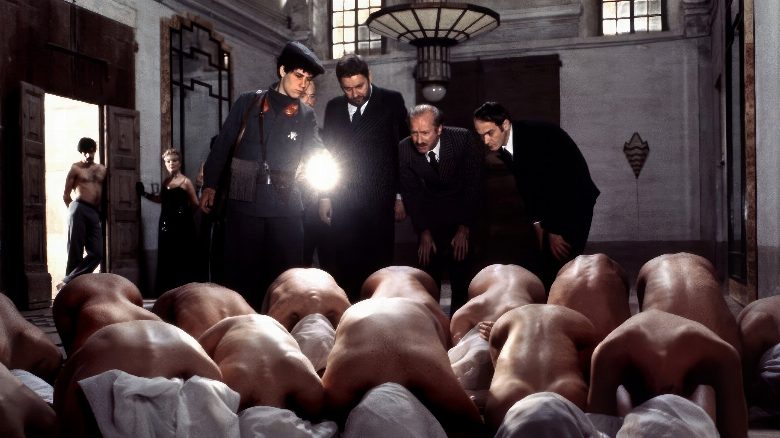
Four corrupted fascist libertines round up 9 teenage boys and girls and subject them to 120 days of sadistic physical, mental and sexual torture.
Pier Paolo Pasolini crafted a cinematic experience that remains one of the most polarizing and intellectually demanding works in the history of world cinema. By transplanting the Marquis de Sade’s eighteenth-century literary depravity into the fascist Republic of Salo during the final months of the Second World War, the director created a harrowing allegory about the absolute corruption of power. This film is not a casual watch; it functions as a brutal mirror held up to the dehumanizing nature of totalitarianism, stripping away the veneer of civilization to reveal the raw, structural violence that occurs when a small group of elites holds total dominion over the vulnerable. Unlike many horror films that rely on supernatural tropes, this production finds its terror in the cold, administrative efficiency with which human dignity is systematically dismantled.
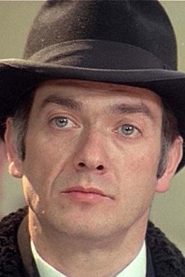
For audiences accustomed to the vibrant storytelling traditions of Indian cinema, where heroism often triumphs over systemic injustice, this Italian masterpiece presents a starkly different philosophical challenge. It belongs to a lineage of European art-house cinema that rejects the comfort of resolution, instead forcing the viewer to confront the darkest corners of human history. The performance by Paolo Bonacelli is chillingly composed, avoiding the histrionics often associated with villainy in favor of a detached, bureaucratic cruelty that feels all the more realistic. This approach aligns with a specific trend in world cinema where historical trauma is processed through unflinching visual metaphors rather than through traditional narrative arcs or heroic redemption.
This film is essential viewing for students of film theory and those interested in how the medium can be used to document political degradation. It is certainly not for the faint of heart, as it demands a high level of emotional resilience to process its relentless intensity. However, for the serious cinephile, it serves as a foundational text on the relationship between ideology and the body. By refusing to offer any moral reprieve, the work forces a deep engagement with the themes of exploitation and the fragility of liberty. It remains a singular achievement that solidified Pasolini’s reputation as a provocateur who was willing to push the boundaries of what could be depicted on screen, ultimately leaving behind a legacy that continues to spark intense debate regarding the responsibilities of the filmmaker when documenting the inherent cruelty of humanity.
Cast(45)