
Schüsse an der Grenze(1933)
About Schüsse an der Grenze
The year 1933 serves as a haunting temporal marker in the history of global cinema, capturing a moment when the structural integrity of European society was rapidly fracturing under political pressure. Schusse an der Grenze emerges from this volatile landscape, representing a cinematic artifact that bridges the gap between traditional suspense thrillers and the encroaching shadow of historical reality. While contemporary Indian audiences are often treated to high-octane border dramas that blend jingoistic fervor with tactical action, this German production approaches its subject matter with a different kind of tension. It prioritizes the psychological burden of individuals caught within a landscape defined by checkpoints and shifting loyalties, offering a window into how early sound-era filmmakers translated the anxiety of territorial instability into a compelling narrative experience.
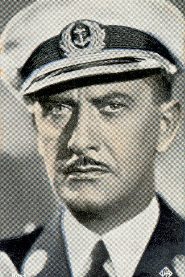
Director J.A. Hubler-Kahla demonstrates a sharp command of pacing, utilizing the limited technical resources of the early thirties to construct a claustrophobic atmosphere. The film focuses on the human stakes of crossing boundaries, a theme that has remained a cornerstone of international storytelling long after the geopolitical conflicts of the early twentieth century faded. By anchoring the plot in the personal stakes of the cast, including performers like Carla Bartheel and Peter Voss, the film manages to transcend its era, feeling less like a rigid period piece and more like a study in mounting apprehension. It is precisely this focus on the protagonist's internal moral dilemma, rather than mere kinetic spectacle, that distinguishes the work from the lighter entertainment fare that dominated much of the global output during the same period.
For the modern viewer, this movie functions as both a historical curiosity and a testament to the enduring power of the border-crossing trope in cinema. Those who appreciate the gritty, grounded realism found in contemporary Malayalam or Tamil political dramas will find a familiar resonance here, as the film explores how ordinary lives are disrupted by the rigid lines drawn by authorities. It is recommended for students of film history and fans of classic noir who enjoy examining how atmosphere and lighting were used to evoke dread before the advent of modern editing techniques. While the political climate that birthed the film has long since changed, the fundamental human experience of living on the edge of a divide remains as relevant today as it was when the cameras first rolled in 1933.
Cast(10)