About Set It Off
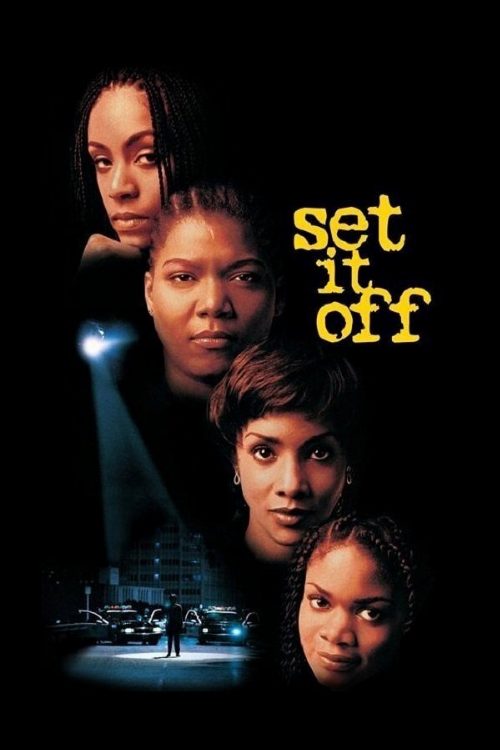
Four inner-city Black women, determined to end their constant struggle, decide to live by one rule — get what you want or die trying. So the four women take back their lives and take out some banks in the process.
Few films from the mid-nineties managed to strike such a potent balance between visceral social commentary and high-stakes genre thrills as F. Gary Gray’s crime drama Set It Off. While contemporary Indian cinema often explores the desperation of the urban underclass through gritty realism or heightened action spectacles, this American classic occupies a similar space by centering on the systemic barriers faced by marginalized communities. The narrative follows four friends navigating the crushing weight of poverty in Los Angeles, ultimately choosing to dismantle their circumstances through a series of high-risk bank robberies. Unlike many heist movies that prioritize the mechanics of the crime, this film remains tethered to the emotional stakes of its protagonists, framing their illicit actions as a tragic byproduct of a society that has consistently failed them.
The strength of the film lies in its nuanced character work, anchored by performances that elevate the material far beyond typical genre tropes. It serves as a stark reminder of the limitations placed on individual ambition when structural support is absent, a theme that resonates deeply with global audiences familiar with the struggle for upward mobility. For viewers who appreciate the intense character-driven narratives found in modern Tamil or Malayalam dramas—where systemic critique is often woven into the fabric of the story—this film offers a compelling parallel. It is not merely a story about delinquency; it is an exploration of solidarity and the desperate lengths to which people will go when they feel the doors of opportunity have been permanently locked.
Directed by F. Gary Gray, who would go on to become a powerhouse in Hollywood, the project showcases an early mastery of tone and tension. The film avoids glorifying the criminal lifestyle, instead focusing on the fraying bonds of friendship as the pressure of their choices mounts. It remains essential viewing for those interested in the evolution of urban cinema and the ways in which film can humanize figures typically relegated to the background of societal discourse. Whether you are a fan of classic crime thrillers or a student of how independent narratives can challenge mainstream perceptions, the film provides a haunting, expertly crafted experience that refuses to offer easy answers. Its enduring legacy is a testament to the power of authentic storytelling when it is allowed to confront uncomfortable truths head on.
Cast(37)