
About Shadows
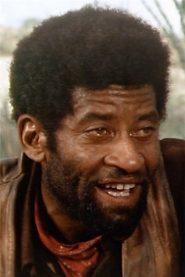
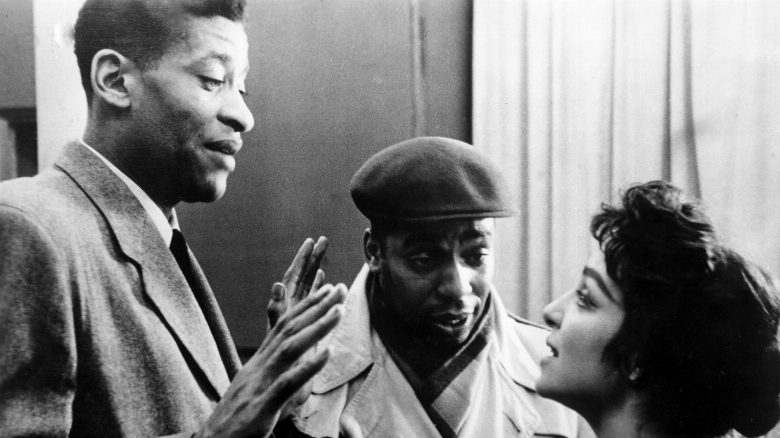
The relationship between Lelia, a light-skinned black woman, and Tony, a white man is put in jeopardy when Tony meets Lelia’s darker-skinned jazz singer brother, Hugh, and discovers that her racial heritage is not what he thought it was.
John Cassavetes fundamentally altered the trajectory of independent cinema with his 1960 directorial debut, Shadows. By eschewing the polished artifice of mid-century Hollywood in favor of a raw, improvised aesthetic, the film captures the restless energy of New York City in a way that feels startlingly contemporary even six decades later. While the established studio system was preoccupied with sweeping epics and Technicolor musicals, this production embraced the grit of the streets and the volatile nature of human identity. It serves as a vital bridge between the structured narratives of the fifties and the experimental movements that would soon define the counterculture era, marking a definitive shift toward the auteur-driven storytelling that enthusiasts of world cinema—including the bold new wave of directors currently emerging from the Indian independent scene—frequently cite as a foundational influence.
The narrative centers on a small group of siblings navigating the social complexities of Manhattan, focusing specifically on the friction that arises when a romantic connection between a young woman and her suitor is tested by the realities of racial perception. Unlike the melodramatic treatments of social issues common during that period, this drama prioritizes observational authenticity, allowing the dialogue to unfold with the jagged, unpredictable cadence of actual life. The performances from Lelia Goldoni, Ben Carruthers, and Hugh Hurd are characterized by an unvarnished honesty that strips away theatrical vanity, making the internal conflicts of the characters feel deeply personal rather than performative. It is this commitment to emotional truth that separates the work from its contemporaries, positioning it as a precursor to the character-focused dramas that remain a staple of the global arthouse circuit.
Viewers who gravitate toward films that prioritize atmosphere and psychological nuance over rigid plot structures will find this a compelling watch. It is an essential viewing experience for those interested in the history of improvised acting techniques or the evolution of the indie spirit that continues to inspire filmmakers from Mumbai to Kochi. Because it sidesteps didactic messaging in favor of exploring the nuances of human connection, the film remains an enduring study of how our perceptions of others are often filtered through the lens of prejudice and misunderstanding. By capturing the fleeting, shadow-filled moments of urban existence, the production cements its legacy as a bold experiment that dared to look at the world without a filter, paving the way for the generations of filmmakers who choose to prioritize soul over spectacle.
Cast(29)