About Shambhala
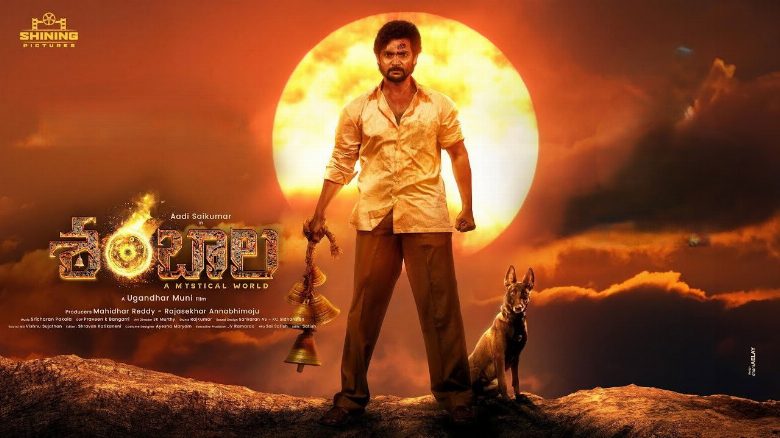
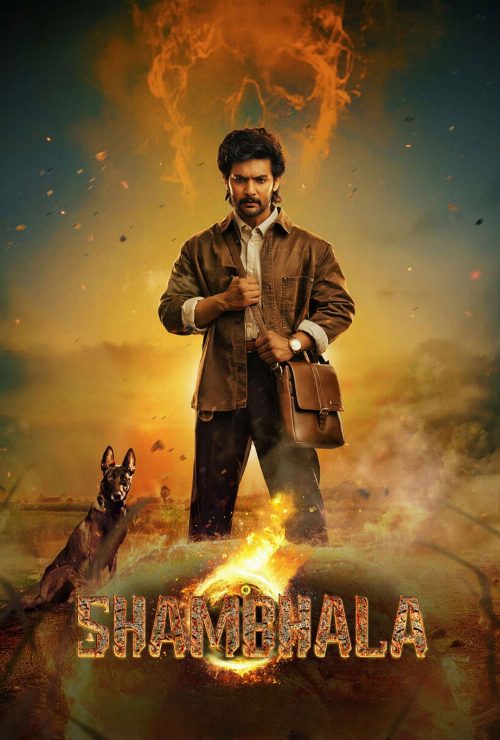
When a meteor crashes into the highly superstitious village of Shambhala in the 1980s, strange supernatural events unfold, forcing an atheist scientist to face an ancient horror-one that science can't explain or escape.
The intersection of period drama and supernatural dread creates a fertile ground for experimentation in modern Telugu cinema, and Shambhala occupies this space with striking ambition. By grounding its narrative in the decade of the eighties, the film taps into a nostalgic aesthetic that has become increasingly popular across Indian industries, blending the tactile charm of a rural setting with the relentless pacing of an action thriller. The premise centers on a remote community whose deep-seated beliefs are shattered by a celestial anomaly, setting the stage for a clash between rationalism and the inexplicable. This is not merely a ghost story but a thematic study of how human conviction crumbles when confronted with forces that defy empirical logic.
For audiences who appreciate the recent shift toward high-concept genre filmmaking in the Telugu industry, this project offers a refreshing departure from traditional tropes. While many regional thrillers rely heavily on jump scares, Shambhala appears to prioritize atmospheric tension and the psychological unraveling of its lead characters. The inclusion of an atheist scientist as the primary lens through which we witness these terrors provides a compelling narrative hook; it invites the viewer to doubt the supernatural elements alongside the protagonist until the weight of the evidence becomes impossible to ignore. The ensemble cast, featuring established talents like Laxman Meesala and Harsha Vardhan, suggests a focus on character-driven conflict that elevates the material beyond a simple creature feature.
This film is positioned as a must-watch for fans of folk horror who enjoy a historical backdrop. By situating the chaos within a community defined by its superstitions, the script creates an environment where fear is amplified by isolation. The director seems to be leaning into the specific cultural anxieties of the era, utilizing the setting not just as a visual choice but as a critical element that restricts the characters from seeking modern aid. If the execution matches the intensity of the premise, it could serve as a significant entry in the expanding library of contemporary Indian horror-thrillers. Those looking for a blend of cerebral mystery and visceral action will find much to dissect, as the narrative forces the audience to ponder whether some mysteries are better left unsolved.