About Shylock's Ghost
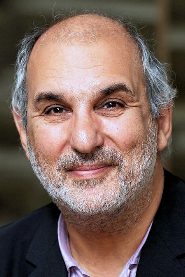
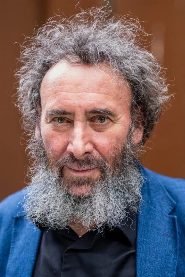
As Man Booker Prize-winning writer Howard Jacobson retells The Merchant of Venice, 400 years after Shakespeare’s death, he travels with Alan Yentob to the ghetto in Venice to explore Shakespeare's most performed play - and in particular the character of the most divisive fictional Jew in history, Shylock. On their journey, Howard and Alan examine the evidence behind the charge of antisemitism against Shakespeare. How did his old Jew from Venice become such a useful propaganda tool during the Third Reich, and what was behind the absurd and infamous proposal to cut off a 'pound of flesh'?
Four centuries after William Shakespeare penned The Merchant of Venice, the indelible mark of its most controversial figure, Shylock, continues to spark debate and introspection. Colette Camden's 2015 documentary, Shylock's Ghost, delves deep into this enduring legacy, inviting audiences on a compelling journey alongside acclaimed Man Booker Prize-winning author Howard Jacobson as he revisits the iconic play. This exploration isn't merely a literary analysis; it's a vital cultural conversation, dissecting the historical and societal reverberations of a character who has been both a victim and a weapon in the annals of prejudice.
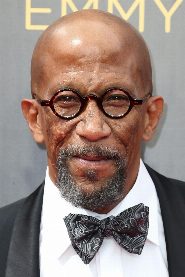
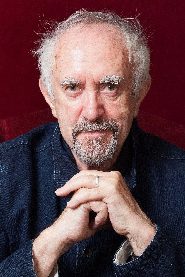
The film distinguishes itself by not just narrating history but actively interrogating it, taking viewers to the very streets of Venice's historic ghetto, a crucible of the experiences that shaped Shylock's fictional world. Jacobson, with his characteristic wit and insight, leads this investigation, examining the persistent accusation of antisemitism leveled against Shakespeare. Shylock's Ghost thoughtfully unpacks how a character conceived in Elizabethan England could be twisted into a potent propaganda tool during the Third Reich, a testament to the dangerous malleability of art in the wrong hands. The documentary also probes the chilling and literal interpretation of the "pound of flesh" demand, stripping away centuries of theatricality to understand its brutal implications. Featuring contributions from notable figures like Reg E. Cathey, Jonathan Pryce, and Stephen Greenblatt, the film offers a multi-faceted perspective on a narrative that refuses to be confined to the stage.
For viewers with a keen interest in literature, history, and the intersection of art and social commentary, Shylock's Ghost is an essential watch. It appeals to those who enjoy intellectually stimulating documentaries that challenge preconceived notions and encourage critical engagement with classic texts. The film transcends mere academic discourse, offering a humanistic perspective on how historical narratives, even fictional ones, can profoundly impact real-world perceptions and prejudices. Colette Camden, known for her thoughtful approach to complex subjects, crafts a narrative that is both informative and emotionally resonant, ensuring that the ghost of Shylock continues to prompt vital conversations about identity, justice, and the enduring power of storytelling.