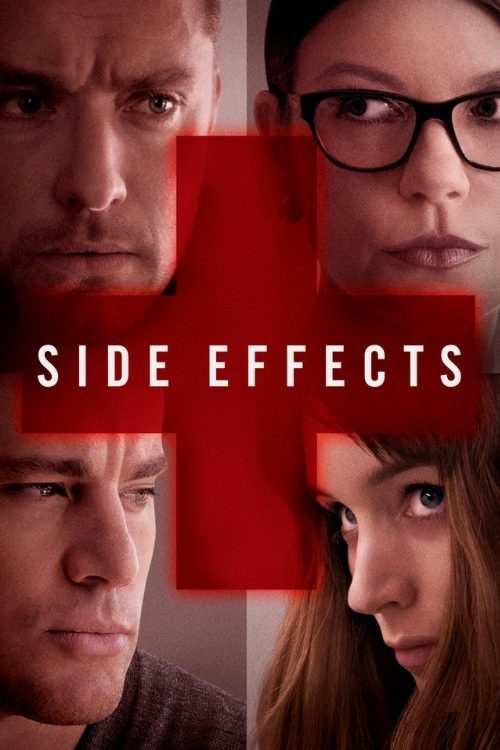
About Side Effects
A woman turns to prescription medication as a way of handling her anxiety concerning her husband's upcoming release from prison.
Steven Soderbergh has long been a master of the clinical thriller, a filmmaker who treats the human psyche with the same detached precision as a laboratory experiment. In Side Effects, he explores the intersection of corporate pharmaceutical influence and the volatile nature of personal desperation. The narrative centers on a woman grappling with the overwhelming psychological weight of her husband returning home after a lengthy incarceration. While the premise may sound like a straightforward domestic drama, the film quickly pivots into a complex web of medical ethics and moral ambiguity. It serves as a stark reminder of how easily the lines between healing and control can blur when profit-driven industries meet vulnerable individuals seeking a quick exit from their suffering.
Within the landscape of global cinema, this project stands out for its cold, calculated aesthetic, which feels remarkably distinct from the high-octane emotional melodrama often favored in contemporary Indian thrillers. While regional industries like Bollywood or Tollywood frequently utilize stylized tension to heighten suspense, Side Effects opts for a muted, intellectual dread. This approach mirrors the quiet intensity found in the best of modern Malayalam psychological dramas, where the focus remains steadfastly on the internal decay of the characters rather than external spectacle. Audiences who appreciate a slow-burn narrative that demands active participation will find themselves captivated by the way the script peels back layers of deception, turning every medical consultation into a high-stakes standoff.
The film is essential viewing for those who enjoy stories where the protagonist is not necessarily a hero, but a victim of their own circumstances and the systems they attempt to navigate. By casting a spotlight on the potential dangers of psychotropic interventions, it taps into a universal anxiety regarding the loss of personal agency. The performances maintain a grounded sense of realism, avoiding the theatrics that often plague crime dramas of this nature. For viewers tired of predictable plot beats, this film offers a refreshing, albeit unsettling, exercise in manipulation and gaslighting. It remains a prime example of how a singular directorial vision can transform a simple story of anxiety into a sophisticated critique of modern life, proving that the most terrifying threats are often those we invite into our homes in the form of a simple prescription.
Cast(73)