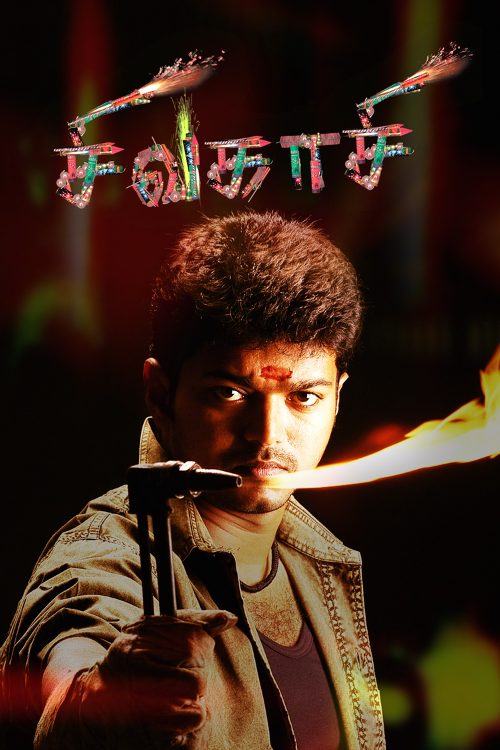
Sivakasi(2005)
About Sivakasi
Muthappa is forced to leave his house at a young age for a crime that his older brother, Udayappa, committed. When he returns home, he learns about his brother's antics and decides to punish him.
The 2005 release Sivakasi stands as a definitive artifact of the mid-2000s Tamil cinema landscape, a period defined by the rise of the high-octane commercial entertainer that blended familial melodrama with explosive vigilante justice. Directed by Perarasu, the film captures the quintessential essence of the mass hero vehicle, placing Vijay at the center of a narrative that balances intense emotional stakes with the flair for theatrical confrontation that defined his early career. By exploring the complex dynamics of a fractured household, the screenplay leans heavily into the tropes of sibling rivalry and social redemption, themes that have historically resonated deeply with domestic audiences across the state.
At the heart of the story is a protagonist who carries the weight of a long-standing exile, having been cast out of his home due to a transgression he did not personally commit. This setup serves as the perfect catalyst for a classic homecoming narrative, where the returning exile finds his ancestral roots corrupted by the very family members who once betrayed him. The antagonist, portrayed with the signature sharpness of Prakash Raj, provides a formidable foil to the protagonist, turning every interaction into a chess match of intimidation and moral reckoning. The presence of Asin Thottumkal adds a layer of vibrant energy to the proceedings, grounding the larger-than-life conflicts within the framework of popular romantic subplots that were essential to the success of regional blockbusters during this era.
Viewers who enjoy the traditional structure of South Indian action dramas will find this film to be a masterclass in genre conventions. It is a quintessential crowd-pleaser that prioritizes heavy dialogue delivery, choreographed set pieces, and a clear moral dichotomy between good and evil. For those interested in the evolution of Tamil stardom, this project serves as a clear indicator of how filmmakers of the time utilized the star power of their leads to blend domestic trauma with populist heroism. It remains a notable entry in the filmography of the lead actor, showcasing his ability to pivot between lighthearted charm and the intense, brooding charisma required for the gritty, confrontational scenes that dominate the latter half of the runtime. Whether viewed through the lens of nostalgia or as a case study in mid-decade commercial filmmaking, the movie holds its own as a robust example of the era’s penchant for grand, emotionally charged storytelling.
Cast(16)