
About Ski School
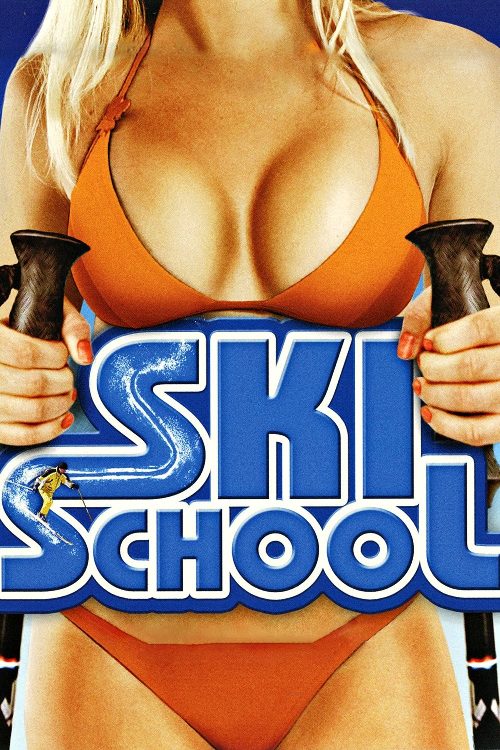
Rival groups in a skiing school do battle on and off the piste. One gang are rich and serious, the other group are party animals.
The neon-drenched aesthetic of the early nineties finds a quintessential expression in the slopeside antics of Ski School. While modern global audiences are increasingly accustomed to the high-stakes intensity of contemporary Indian cinema, where regional powerhouses like the Telugu and Tamil industries frequently blend sprawling scale with deeply rooted cultural motifs, this film offers a fascinating look at the North American teen comedy boom that defined a generation. Directed by Damian Lee, the narrative centers on a classic clash of social hierarchies, pitting buttoned-up, affluent trainees against a rowdy, hedonistic faction of mountain misfits. It is a time capsule of a specific subgenre that prioritizes physical humor and youthful rebellion over complex character arcs, echoing the irreverent spirit that occasionally surfaces in college-themed comedies across the globe.
What sets this production apart is its reliance on the rugged backdrop of a winter resort to heighten the stakes of its interpersonal conflicts. The film leans heavily into the tropes of the era, utilizing the icy terrain as a stage for elaborate pranks and competitive skirmishes that feel like a spiritual ancestor to the sports-based rivalries often seen in mainstream Bollywood or Tollywood hits, albeit with a significantly lighter, more slapstick focus. For viewers who enjoy the comfort of familiar archetypes—the underdog hero, the smug antagonist, and the inevitable chaotic climax—this movie provides a straightforward, breezy experience. The cast, featuring performers like Darlene Vogel and John Pyper-Ferguson, leans into the absurdity of the premise, ensuring that the tone remains consistently upbeat and accessible for those seeking a nostalgic trip back to the era of excess.
Modern fans of ensemble-driven comedies, particularly those who appreciate the fast-paced banter found in contemporary multi-starrer films from the Indian subcontinent, may find the dynamic of the two rival groups strangely relatable. Even though the cultural landscape of 1991 Colorado is worlds apart from the vibrant storytelling traditions of Mumbai or Hyderabad, the underlying theme of societal friction is a universal language in cinema. This film is positioned as a lighthearted watch for anyone interested in the evolution of the campus-style comedy. It serves as a reminder that before the digital age redefined how we consume global content, the formula for a crowd-pleasing hit often relied on nothing more than a scenic location, a high-energy cast, and a relentless commitment to pure, uncomplicated fun.
Cast(14)