

About Sleep No More
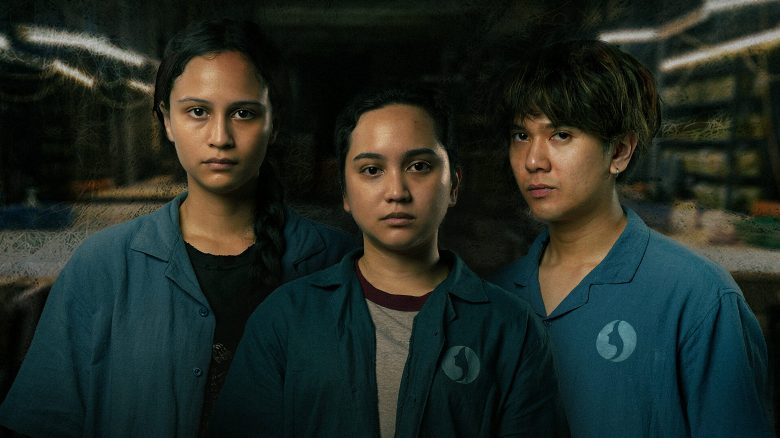
Two sisters deal with the sudden death of their mother at a wig factory. One believes it was suicide while the other is certain it was a result of possession and takes a job at the factory to uncover the truth. Meanwhile, their brother - born with an eerie gift to regenerate his own body - catches the attention of a ghostly figure roaming the factory, searching for a vessel to inhabit.
The Indonesian horror landscape has consistently pushed the boundaries of supernatural storytelling, and Sleep No More emerges as a striking addition to this tradition by blending psychological trauma with visceral body horror. Set against the backdrop of a hair production facility, the film pivots away from standard jump scares to explore the intersection of grief and obsession. The narrative centers on a fractured sibling dynamic, where the mysterious passing of a matriarch triggers divergent responses: one sister seeks closure through rational inquiry, while the other descends into a darker, occult-driven investigation. By situating the haunting within a mundane industrial workspace, the film taps into a growing trend of grounded terror where the everyday environments we inhabit become conduits for ancestral curses.
Rachel Amanda and Lutesha anchor the production with performances that emphasize the emotional fallout of losing a parent, grounding the more fantastical elements of the story in genuine human stakes. The inclusion of a brother whose unique biological ability to heal himself creates an unsettling target for an entity looking to reclaim a physical form adds a layer of existential dread to the plot. This specific premise suggests that the director is interested in how the physical body serves as both a container for the soul and a potential trap when malicious spirits interfere. For fans of Southeast Asian genre cinema who appreciate atmospheric dread and intricate lore, this project offers a refreshing departure from the usual haunted house tropes.
This film is positioned as a must-watch for audiences who favor the slow-burn intensity characteristic of modern Indonesian thrillers. By focusing on the wig factory as a nexus for spiritual unrest, the story gains a tactile, eerie quality that makes the supernatural threats feel tangible and immediate. Those who gravitate toward character-driven narratives, where the horror serves as an externalization of internal family discord, will likely find much to appreciate here. As international interest in Indonesian language cinema continues to climb, Sleep No More represents the type of high-concept, culturally specific storytelling that is successfully finding a global audience. It is a bold exploration of how the past refuses to stay buried, particularly when it is woven into the very fabric of our lives.