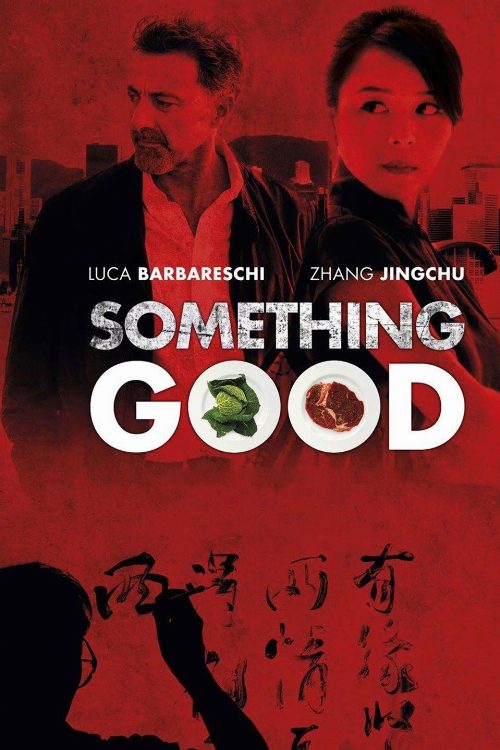
About Something Good
In a small Chinese village in Yunnan, a young woman named Xiwen sees her little son Shitou die of poisoning from adulterated food. On the other side of the world, in Italy, Matteo works on behalf of Feng, a multinational based in Hong Kong that traffics counterfeit food. To avoid arrest, Matteo escapes from Italy, saving a precious shipment of Feng's food, and this begins his unscrupulous climb towards success. At a time when he is enjoying the greatest prestige within Feng, Matteo meets Xiwen by chance, who has opened a restaurant in memory of his son and is fighting for the authenticity of food. Neither of them imagines that from that moment their lives will be turned upside down.
Tracing the global journey of tainted commodities reveals a chilling intersection between corporate greed and personal tragedy in the 2013 thriller Something Good. The narrative functions as a sprawling geopolitical puzzle, connecting the rural landscapes of Yunnan to the cutthroat boardrooms of international trade. By juxtaposing the quiet, grief-stricken resolve of a mother with the cold, calculated maneuvers of a logistics operative, the film transcends the traditional boundaries of the crime genre. It is a cautionary tale about the invisible chains that link our daily consumption habits to the exploitation of vulnerable communities, offering a perspective that feels increasingly relevant in our current era of heightened awareness regarding supply chain ethics.
The film distinguishes itself by avoiding the typical tropes of action-heavy thrillers, opting instead for a methodical exploration of moral bankruptcy. Zhang Jingchu delivers a performance defined by somber dignity, grounding the film in the human cost of the counterfeit industry. Opposite her, the international cast provides a stark look at the machinery of a faceless corporation that prioritizes profit margins over human health. For viewers who appreciate the slow-burn intensity found in modern investigative dramas, this feature provides a sobering reflection on the consequences of unchecked capitalism. It is a work that demands the audience pay attention to the origins of the products they consume, posing uncomfortable questions about accountability that resonate far beyond its fictional premise.
This project sits at a fascinating crossroads of global cinema, blending the aesthetic sensibilities of independent European drama with the high-stakes tension often found in Asian noir. It serves as a stark reminder of the interconnectedness of global markets, a theme that has gained significant traction in contemporary Indian cinema as well, where filmmakers are increasingly highlighting the impact of large-scale systemic corruption on the individual family unit. Those who find themselves drawn to stories that challenge the status quo and expose the dark underbelly of international commerce will likely find the film both intellectually stimulating and emotionally heavy. By focusing on the collision of two disparate lives—one defined by loss and the other by ambition—the narrative expertly builds toward a reckoning that feels both inevitable and profoundly unsettling. Its commitment to exploring these heavy sociopolitical themes through a personal lens ensures that the story leaves a lasting impression long after the final scene concludes.
Cast(16)