About Song Without a Name
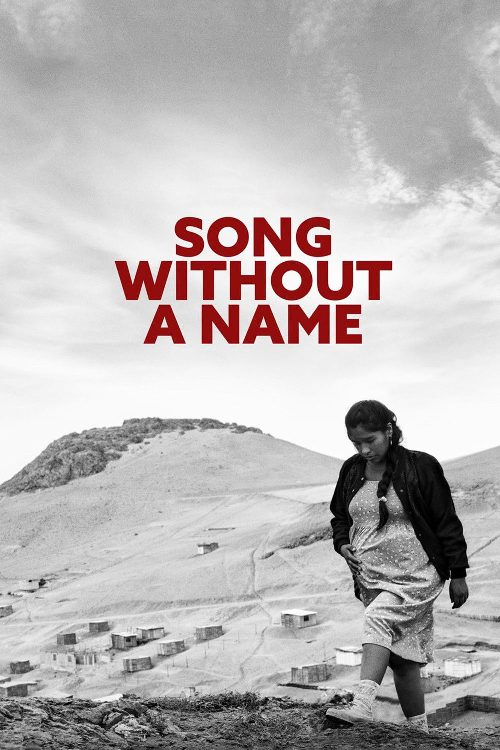
Peru, at the height of the political crisis of the 1980s. Georgina is a young woman from the Andes whose newborn daughter is stolen at a fake health clinic. Her desperate search for the child leads her to the headquarters of a major newspaper, where she meets Pedro Campos, a lonely journalist who takes on the investigation. Based on a true story.
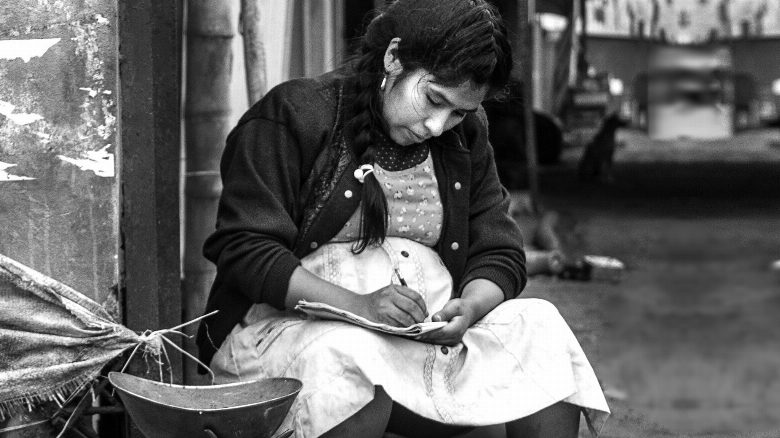
Melina León's compelling debut feature, Song Without a Name, transports viewers to a turbulent 1980s Peru, weaving a poignant tale of a mother's relentless quest for justice against a backdrop of national upheaval. This Spanish-language drama, rooted in a devastating true story, centers on Georgina, an indigenous woman from the Andean highlands whose newborn baby is cruelly snatched from her arms shortly after birth at what she believes to be a legitimate clinic. Her subsequent, harrowing search for her child lays bare the systemic vulnerabilities faced by marginalized communities during a period marked by profound political instability and social unrest.
The film distinguishes itself through its stark black-and-white cinematography and a deliberate, almost meditative pace, which amplifies the emotional weight of Georgina's journey. Rather than relying on overt melodrama, León masterfully conveys the quiet desperation and unyielding resolve of a mother navigating an indifferent, often hostile bureaucracy. Georgina's plight eventually catches the attention of Pedro Campos, a jaded but compassionate journalist at a prominent Lima newspaper, whose investigation becomes a beacon of hope in a seemingly impenetrable darkness. The narrative deftly explores themes of identity, maternal love, and the often-unseen struggles of indigenous populations, offering a powerful commentary on human rights and the pursuit of truth when state institutions falter.
Song Without a Name will deeply resonate with audiences who appreciate socially conscious cinema that shines a light on historical injustices, particularly those interested in Latin American narratives. Fans of minimalist yet impactful storytelling, reminiscent of films that prioritize atmosphere and character over overt plot machinations, will find themselves engrossed. Melina León, as a director, establishes herself with a confident and sensitive hand, showcasing a remarkable ability to extract profound emotion from understated performances, particularly from Pamela Mendoza as Georgina. Her film is not just a historical account but a universal testament to resilience in the face of unimaginable loss, making it a significant contribution to global independent cinema.