
Spartacus(1960)
About Spartacus
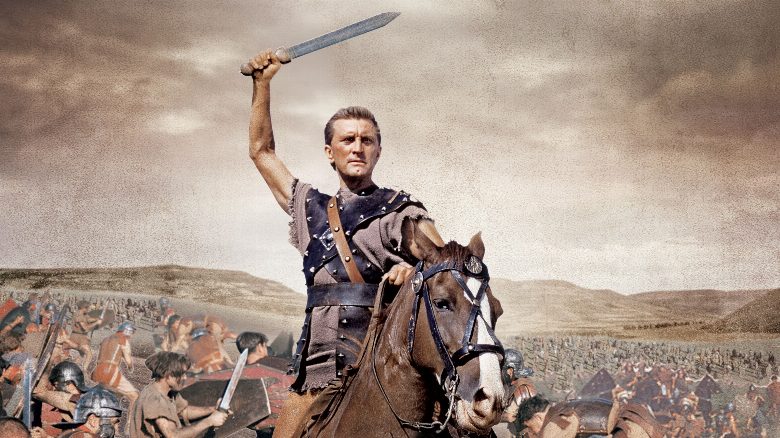
The rebellious Thracian Spartacus, born and raised a slave, is sold to Gladiator trainer Batiatus. After weeks of being trained to kill for the arena, Spartacus turns on his owners and leads the other slaves in rebellion. As the rebels move from town to town, their numbers swell as escaped slaves join their ranks. Under the leadership of Spartacus, they make their way to southern Italy, where they will cross the sea and return to their homes.
Stanley Kubrick crafted an enduring monument to defiance with this sweeping epic, a film that resonates deeply with the spirit of revolutionary cinema often championed in contemporary Indian storytelling. Much like the grand narratives found in Telugu or Tamil historical dramas, where the focus frequently shifts to the plight of the common man rising against systemic tyranny, this production captures the raw intensity of an individual challenging a massive empire. By centering the story on a man forged in the harsh reality of servitude who eventually sparks a massive uprising, the film transcends its genre to become a universal study of liberty and the heavy price paid for human dignity. For fans of Indian epics that blend large scale production values with emotional stakes, the journey of this Thracian fighter serves as a foundational blueprint for the cinematic depiction of the underdog hero.
The brilliance of the film lies in its ability to balance intimate character development with massive set pieces, a delicate act that remains a hallmark of high quality filmmaking. The casting choices, featuring a commanding presence from the leads alongside a legendary supporting ensemble, ground the historical scope in recognizable human struggle. While the backdrop is ancient Rome, the themes of class struggle and the inevitable clash between those in power and those they exploit feel remarkably relevant to global audiences today. It is a masterclass in tension, illustrating how a single spark of resistance can ignite a fire that threatens the very foundations of a corrupt ruling class. The visual language employed by the director creates a sense of scale that feels both personal and monumental, ensuring that the stakes remain high throughout the duration of the narrative.
Viewers who gravitate toward stories of resilience and the tactical brilliance of rebels will find much to admire here. It is an essential watch for those who appreciate the evolution of the war drama and its capacity to act as a mirror for modern societal anxieties. Given the current trend in global cinema toward highlighting regional struggles and cultural autonomy, this classic provides a historical perspective on the persistence of the human spirit. Whether you are an enthusiast of traditional western epics or someone who enjoys the high drama inherent in pan-Indian blockbusters, this film offers a profound experience that prioritizes the weight of sacrifice over simple spectacle. It stands as a testament to the idea that storytelling, when executed with such ambition, serves as both a record of the past and a challenge to the future.
Cast(108)