About Staying Alive
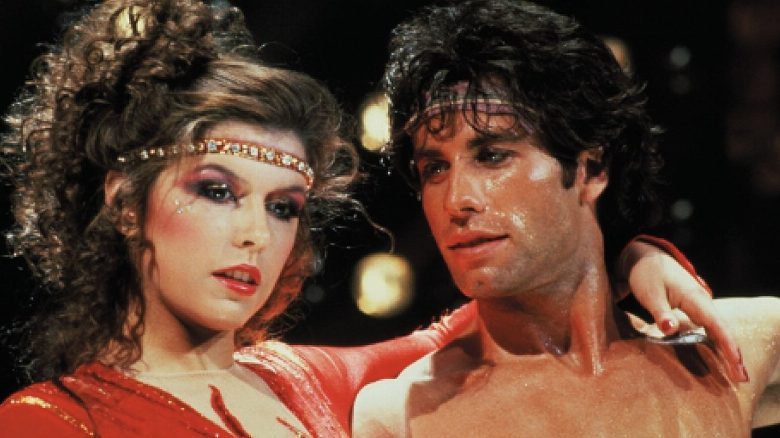
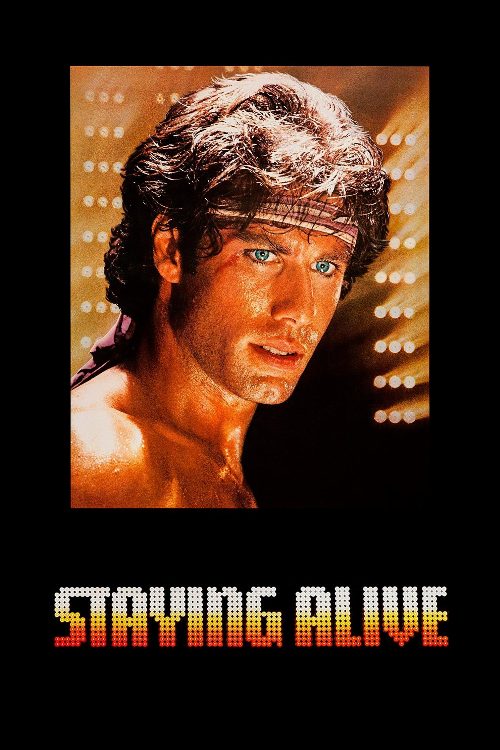
It's five years later and Tony Manero's Saturday Night Fever is still burning. Now he's strutting toward his biggest challenger yet - making it as a dancer on the Broadway stage.
Half a decade after the neon lights of Brooklyn defined the pulse of a generation, the kinetic energy of disco finds a new battleground under the unforgiving glare of professional theater. Staying Alive marks a stylistic shift from the gritty, pavement-pounding realism of its predecessor toward the high-stakes, sweat-drenched discipline of stage performance. While the original film captured the escapism of weekend dance floors, this sequel navigates the transition from raw street talent to the polished, cutthroat environment of professional choreography. For those following the evolution of dance cinema, the production serves as a fascinating bridge between the underground club culture of the late seventies and the mainstream commercialization of the craft that would eventually dominate eighties pop culture.
The narrative centers on the relentless drive of a protagonist attempting to trade his suburban identity for a spot in the spotlight of the Great White Way. This transition is particularly resonant for audiences familiar with the hero journey archetype, where internal ambition clashes with the rigid gatekeepers of elite artistry. In the landscape of global cinema, where stories about the grueling path to stardom are a staple of both Hollywood and Indian film industries, this movie stands out for its uncompromising focus on the physical toll of perfection. It strips away the glamour of the stage to reveal the repetitive, painful labor required to sustain a career in dance, positioning the protagonist not just as a performer, but as an athlete fighting for relevance in an industry that discards the mediocre without a second thought.
Viewers who appreciate character-driven dramas that prioritize movement as a primary mode of storytelling will find much to admire here. The film functions as a time capsule for an era defined by bold aesthetic choices and a specific, intense brand of masculinity that was beginning to grapple with vulnerability. By shifting the setting to the rigorous world of Broadway, the director taps into a universal theme of self-reinvention that remains relevant to modern cinema fans. Whether you are a fan of classic dance epics or simply interested in how filmmakers translate the electricity of live movement onto the silver screen, this chapter in the life of a iconic character provides a compelling look at the price of chasing a dream when the music finally stops. It is a bold, visually rhythmic examination of what happens when the fire that once fueled a young man's nights is channeled into the structured, pressurized furnace of his professional future.
Cast(76)