About Summary of Crimes
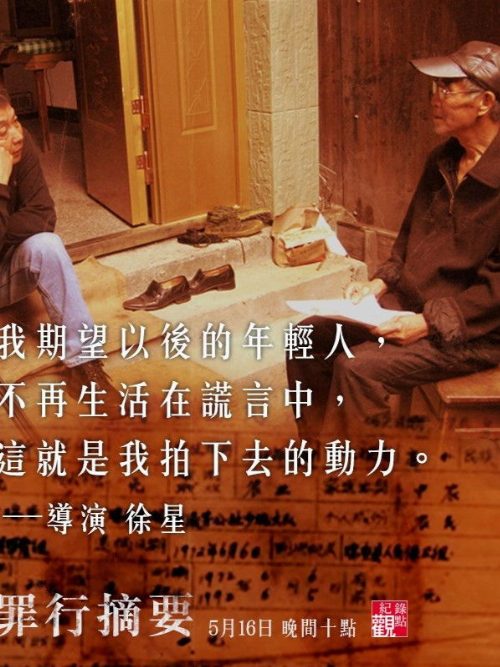
Peasants that were targeted as counter-revolutionaries during the Cultural Revolution in China share their stories in this documentary by Xu Xing.
Documentary filmmaking often serves as a vital repository for the voices that history books choose to leave behind, and Summary of Crimes stands as a testament to the necessity of oral history. Director Xu Xing turns his lens toward the rural heart of China, capturing the harrowing experiences of individuals who found themselves labeled as enemies of the state during the tumultuous Cultural Revolution. By focusing on the lives of peasants rather than political elites, the film shifts the perspective of this dark era from abstract ideology to the visceral, lived reality of those who suffered under the weight of systemic persecution. It is a stark reminder of how personal narratives can strip away the veneer of propaganda to reveal the human cost of political upheaval.
The structure of this project reflects a growing global trend in non-fiction cinema, where the act of listening becomes a form of resistance against state-sanctioned silence. Much like the intense social dramas found in contemporary Indian regional cinema that tackle historical injustice or caste-based oppression, this documentary prioritizes the testimony of the marginalized. For viewers who appreciate the raw, unvarnished style of investigative journalism or the contemplative nature of historical documentaries, this work offers a sobering look at memory and trauma. It avoids theatrical reenactments, choosing instead to let the weight of the testimonies carry the narrative, which creates an intimate and often uncomfortable viewing experience.
Xu Xing has established a reputation for exploring the crevices of Chinese history that remain largely untouched by mainstream media. His approach here is patient and respectful, allowing the subjects to dictate the pace of their own revelations. This film is not merely a record of past atrocities but a meditation on the long-term psychological scars left by political labeling. It is positioned as an essential watch for those interested in the sociology of rural China and the lingering echoes of mid-twentieth-century authoritarianism. By documenting these accounts before they fade into obscurity, the director provides a bridge between a suppressed past and a modern audience, ensuring that these individual lives are acknowledged in the broader tapestry of global history. This is a profound piece of cinematography for anyone seeking to understand the enduring impact of political labeling on the common citizen, making it a significant entry for those who track the evolution of independent documentary filmmaking across Asia.
Crew
Director
Similar Films