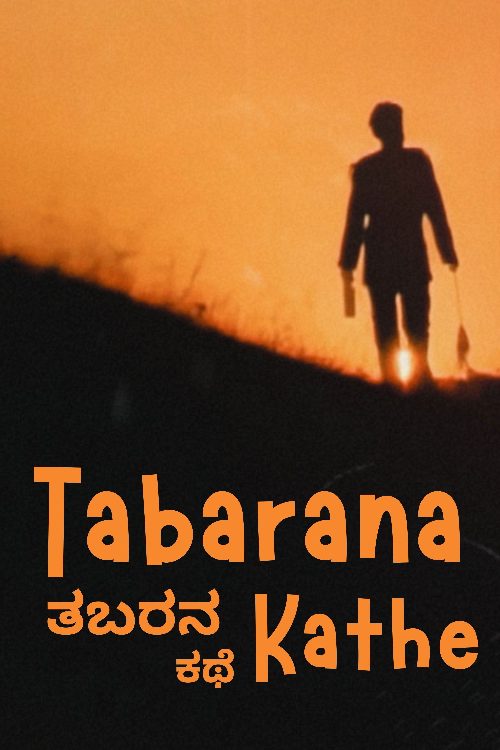
Tabarana Kathe(1986)
About Tabarana Kathe
Tabara Shetty serves the government till his retirement. But problems emerge after his retirement. Matters worsen when his wife and only companion falls sick.
Few films in the history of Kannada cinema capture the crushing weight of bureaucratic indifference with the same unflinching honesty as Tabarana Kathe. Released in 1986, this masterpiece stands as a towering pillar of the parallel cinema movement in Karnataka, moving far beyond simple storytelling to offer a scathing critique of the systemic apathy that often plagues the common citizen. Directed by Girish Kasaravalli, whose filmography is defined by a deep empathy for the marginalized and a meticulous eye for societal friction, the narrative centers on a devoted government worker named Tabara. As he transitions into his golden years, he expects the dignity of a pension, only to find himself ensnared in a labyrinth of red tape and cold-hearted officialdom. The situation takes a harrowing turn when his wife faces a sudden medical crisis, forcing him to navigate a crumbling support system that seems designed to break his spirit rather than provide the assistance he has earned.
The film serves as an essential watch for those who appreciate cinema as a tool for social commentary, particularly the brand of realistic, grounded dramas that defined the Indian New Wave of the eighties. Charu Haasan delivers a performance of profound vulnerability, portraying the quiet desperation of a man who has played by the rules his entire life, only to realize that the rules were never meant to protect him. Unlike the larger-than-life spectacles that dominate contemporary regional industries, this story relies on the quiet power of human endurance and the slow degradation of hope. It is a slow-burn experience that demands patience but rewards the viewer with a deeply moving exploration of dignity, pride, and the often-invisible walls erected by state institutions.
For enthusiasts of Indian regional cinema, this work remains a vital touchstone, illustrating how Kannada filmmakers were able to articulate universal human struggles through local, specific contexts. It is not merely a period piece; its depiction of a man pitted against an uncaring machine resonates just as strongly in today’s hyper-connected world. Whether you are a student of classic world cinema or a fan of character-driven dramas that prioritize emotional truth over artificial tension, this film provides an essential look at the intersection of private tragedy and public policy. Girish Kasaravalli proves his mastery by ensuring that every frame feels authentic, turning a simple premise into a timeless reflection on the fragility of the social contract. It is a haunting, necessary, and beautifully constructed piece of art that continues to influence the landscape of Indian storytelling.