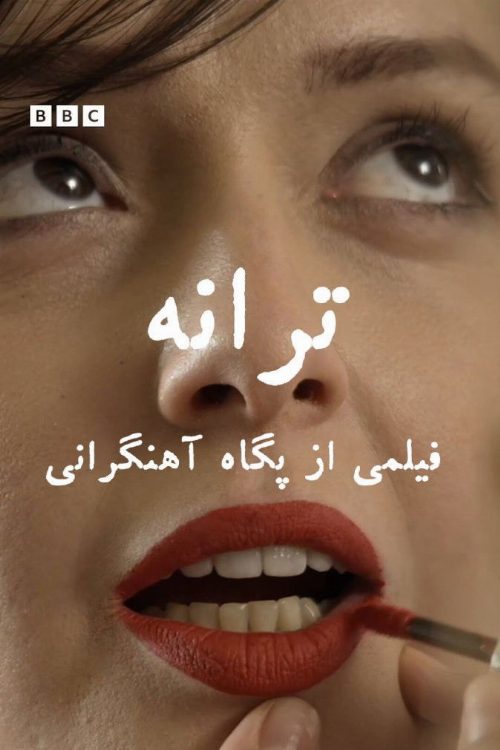
Taraneh: A Documentary(2025)
About Taraneh: A Documentary
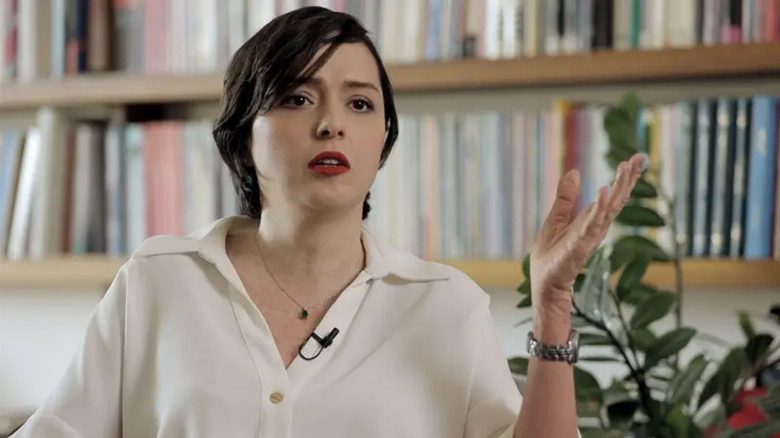
Nearly three years have passed since the "Woman, Life, Freedom" protests in Iran. Many who took part in the 2022 (1401) demonstrations paid a heavy price: some were killed, many were permanently injured, others were sentenced to long prison terms, and many lost their jobs. Among the well-known figures who supported the protests was Taraneh Alidoosti, one of Iran’s most prominent film actresses. After she posted an unveiled photo of herself and later protested the execution of Mohsen Shekari, she was imprisoned. Following her release, she became ill and remained out of the public eye for some time. Alidoosti has also been banned from acting in cinema. For the first time, in the documentary Taraneh, produced by Pegah Ahangarani, Alidoosti speaks about her decision to join the protest movement after the killing of Mahsa Amini. She talks about the day she was arrested at home in front of her little daughter and about the loss of her skin due to an autoimmune disease.
The cinematic landscape often finds its most potent narratives when art and activism collide, a reality currently being underscored by the profound resonance of the documentary Taraneh. While global audiences frequently turn to the vibrant song and dance spectacles of Indian cinema for escapism, this documentary offers a stark, necessary pivot toward the human cost of defiance within the borders of Iran. By centering on the life of Taraneh Alidoosti, an artist whose career was effectively dismantled for her moral stance, the film transcends the boundaries of traditional biography to serve as a testament to the Woman, Life, Freedom movement. This project stands out not merely as a retelling of political turbulence, but as an intimate portrait of a woman grappling with the consequences of her convictions, from the harrowing experience of being detained in front of her child to the isolating physical toll of a health crisis that followed.
For viewers accustomed to the high-stakes emotional dramas of the Tamil or Malayalam industries, where social justice often informs the script, this documentary will feel like a familiar yet harrowing cousin. Produced by Pegah Ahangarani, the film acts as a vital historical record of the 1401 protests, bridging the gap between celebrity culture and the grassroots struggles of ordinary citizens. The narrative structure avoids the sensationalism often found in geopolitical documentaries, favoring instead a grounded, personal perspective. It is an essential watch for cinephiles who value international cinema as a window into the global struggle for human rights, as well as those interested in the sacrifices made by icons who refuse to remain silent when their society is in pain.
The film carries significant weight due to the stature of its subject, whose body of work was once synonymous with the peak of Iranian cultural output. By charting her journey from a respected actress to a target of state suppression, the documentary provides a rare look at the fragility of artistic freedom in an increasingly restrictive environment. It is positioned as a sobering look at how state policies can strip away a person's livelihood and health, yet it maintains a focus on the resilience of the human spirit. For those who track the intersection of world cinema and political history, this production arrives at a crucial moment, documenting the aftermath of a monumental social shift that changed the lives of countless individuals. It promises to be a haunting, deeply moving contribution to the archive of modern resistance.