
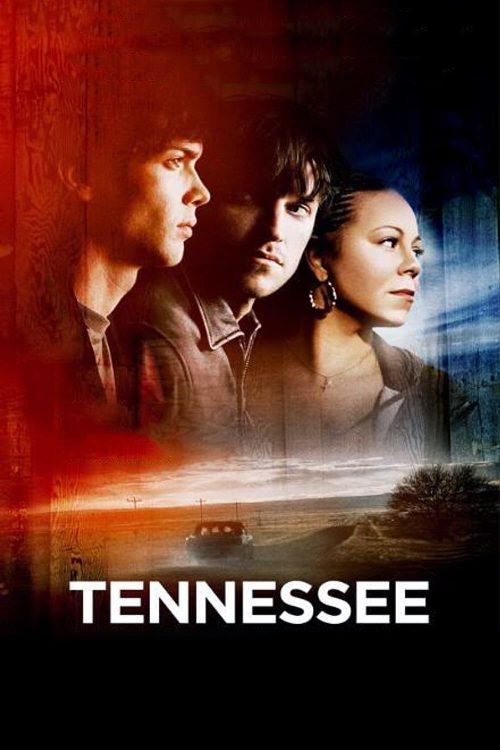
About Tennessee
The story of three people who strive to realize their dreams. Brothers Carter and Ellis set out on a road trip to their childhood home in a desperate search for their estranged father, who may hold the key to their future.
Few cinematic journeys capture the weary soul of the American South quite like the 2008 release Tennessee, a film that balances the quiet melancholy of a road movie with the raw vulnerability of a character study. Directed by Aaron Woodley, the narrative follows two brothers who embark on a trek toward their ancestral roots, driven by a desperate hope that locating their long-lost father will provide the missing pieces of their fractured lives. What distinguishes this film from standard highway dramas is the inclusion of a third traveler, portrayed by Mariah Carey, whose own search for liberation adds an unexpected layer of emotional resonance. By weaving these disparate lives together, the film explores the heavy baggage of family secrets and the fragile possibility of redemption.
For followers of global cinema, particularly those who appreciate the nuanced storytelling often found in the independent circuits of regional Indian industries like Malayalam or parallel Hindi cinema, Tennessee offers a similar focus on human fragility over grand spectacle. It avoids the polished artifice of high-budget productions in favor of a gritty, authentic aesthetic that mirrors the internal landscapes of its protagonists. The film functions as an exploration of the burdens we inherit and the courage required to confront them, themes that are universally relatable regardless of geography. It is a slow-burning character piece that demands patience, rewarding viewers who prefer introspective storytelling over relentless action sequences.
Audiences who gravitate toward intimate dramas such as The Darjeeling Limited or the evocative road narratives popular in contemporary indie filmmaking will likely find themselves drawn into this melancholic trip. The performance by Mariah Carey serves as a significant focal point, stripping away her larger-than-life persona to inhabit a character defined by quiet desperation and resilience. Alongside a cast that captures the grit of the American landscape, the film stands as a testament to the idea that sometimes the destination matters far less than the connections formed along the way. It is a thoughtful, somber meditation on the necessity of home and the elusive nature of closure, positioning itself as a must-watch for those who appreciate cinema that lingers in the mind long after the credits roll. Through its stark imagery and focus on the bonds between broken people, the movie remains an intriguing artifact of 2000s independent filmmaking, capturing a specific brand of yearning that continues to resonate with modern audiences seeking depth in their entertainment.