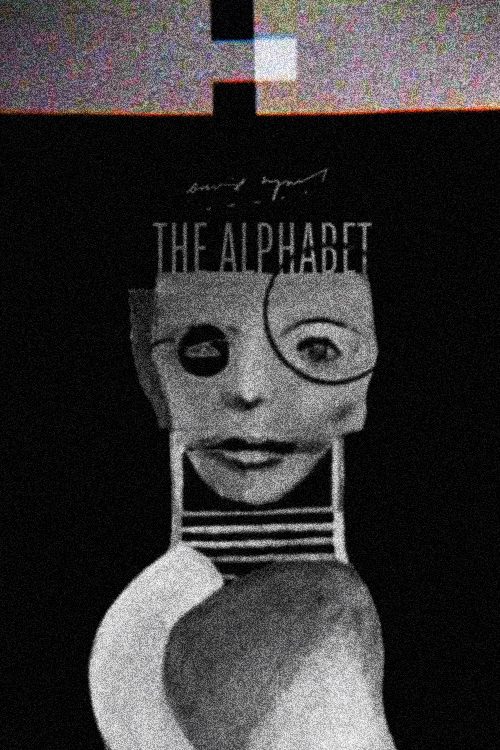
The Alphabet(1969)
About The Alphabet
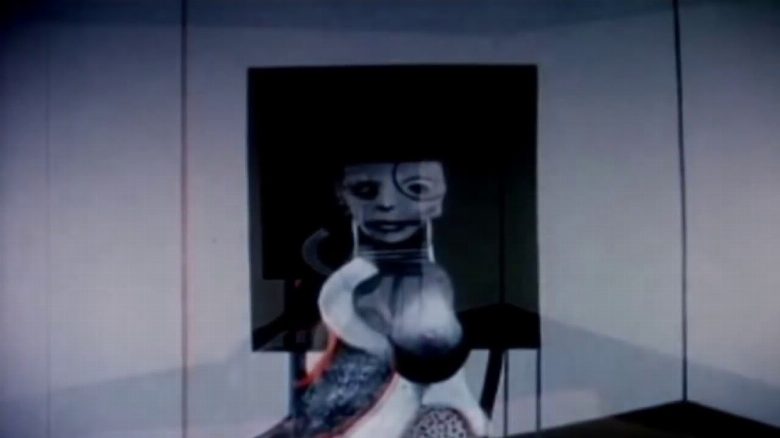
A woman's dark and absurdist nightmare vision comprising a continuous recitation of the alphabet and bizarre living representations of each letter.
David Lynch occupies a singular space in the history of surrealist cinema, and his early experimental work The Alphabet serves as a haunting portal into the disturbing subconscious imagery that would later define his feature films. Released in 1969, this short film stands as a prime example of mid-century avant-garde horror, blending live-action performance with unsettling animation to transform a fundamental tool of education into a vehicle for psychological dread. While many viewers might associate the director with the labyrinthine narratives of his later psychological thrillers, this project captures the raw, unpolished essence of his obsession with the uncanny. It is not merely a technical experiment; it is a manifestation of the anxiety that hides beneath the surface of the mundane, using the familiar structure of the A to Z sequence to dismantle a sense of comfort and predictability.
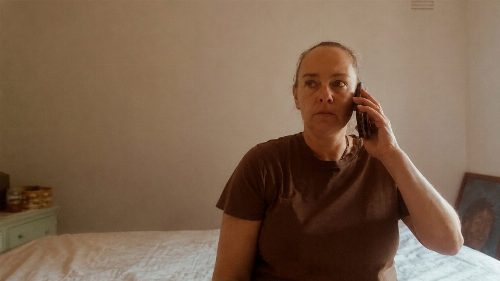
The film relies heavily on the stark, starkly lit performance of Peggy Reavey, whose portrayal navigates the thin line between childhood innocence and nightmarish entrapment. By tethering the narrative to the rhythmic, repetitive nature of the alphabet, the director forces the audience to confront the absurdity of our own communicative foundations. For fans of Indian cinema, particularly those who appreciate the atmospheric psychological depth found in modern Malayalam or Tamil experimental thrillers that prioritize mood over dialogue, this film offers a fascinating look at the roots of modern surrealism. It avoids the linear storytelling typical of mainstream Hollywood or even the song-and-dance spectacles of the global box office, opting instead for a visceral experience that prioritizes symbolic resonance over conventional plot progression.
This piece is essential viewing for those who find beauty in the grotesque and enjoy films that challenge the traditional boundaries of the medium. It is positioned as a foundational text for students of horror, providing a glimpse into the early artistic impulses of a filmmaker who would eventually master the art of the dream-logic narrative. Because it avoids traditional exposition, the viewer is invited to interpret the shifting, often disturbing imagery through their own psychological lens. Those who appreciate the dark, evocative visuals found in international arthouse circles will find this a compelling artifact of a bygone era of experimental filmmaking. It remains a chilling reminder that our most basic, learned structures are often the most fertile ground for the manifestation of our deepest, most irrational fears.