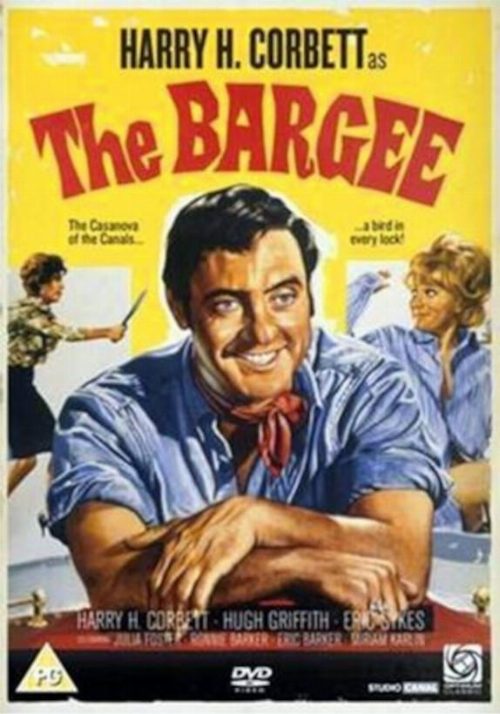
About The Bargee
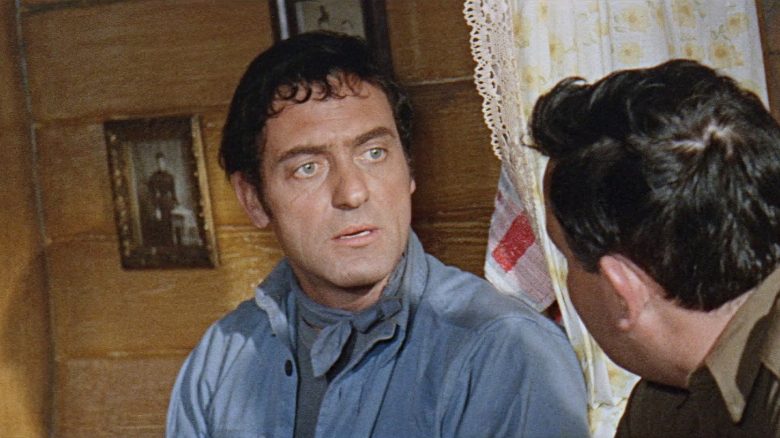
After a lock-keeper entrusts his daughter to a canal Casanova, he is shocked to learn that she is pregnant. He then refuses to open his locks - causing barges to pile up in every direction until the guilty party confesses.
Stepping away from the high octane intensity currently dominating global cinema, The Bargee offers a delightful plunge into the quirky rhythms of mid sixties British comedy. While modern audiences often associate the canals of the United Kingdom with serene vacation spots, this vintage feature frames them as a bustling, almost claustrophobic ecosystem where petty squabbles escalate into regional crises. The film leans heavily into the eccentricities of the waterway community, presenting a world where a minor personal indiscretion triggers a massive logistical gridlock. It is a charming example of the kind of character driven farce that defined its era, prioritizing witty rapport and situational absurdity over the glossy production values we have come to expect today.
For followers of Indian cinema who appreciate the regional nuances of films from the Malayalam or Tamil industries, The Bargee might feel surprisingly relatable in its focus on tight knit, localized societies. Much like a village drama where a single social transgression becomes the talk of the town, this film turns a domestic dilemma into a public spectacle. The humor is decidedly British, relying on the dry wit and peculiar social hierarchies of the time, yet the core premise of a community being held hostage by a stubborn authority figure is a universal trope that transcends borders. It is a film for viewers who enjoy slow burn comedies that build their tension through escalating bureaucratic madness rather than mere slapstick antics.
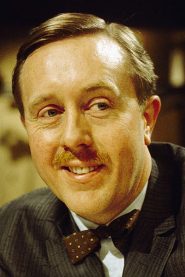
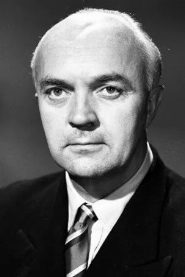
The performances elevate the material significantly, particularly through the interaction between the seasoned cast members who bring a grounded reality to the heightened narrative. Derek Nimmo and Richard Briers navigate the script with a precision that highlights why this period of filmmaking remains a point of reference for comedic timing. By refusing to open his locks, the central character transforms a private family scandal into a sprawling traffic nightmare, forcing the entire canal system to a standstill. This narrative choice serves as a brilliant engine for the comedy, ensuring that the stakes remain just high enough to keep the audience invested while never losing sight of the lighthearted spirit of the genre. Those looking to explore the roots of classic ensemble comedy will find this a refreshing addition to their watchlist, offering a glimpse into a bygone era of British storytelling that remains as endearingly chaotic as it was half a century ago.
Cast(19)