About The Cabinet of Dr. Larifari
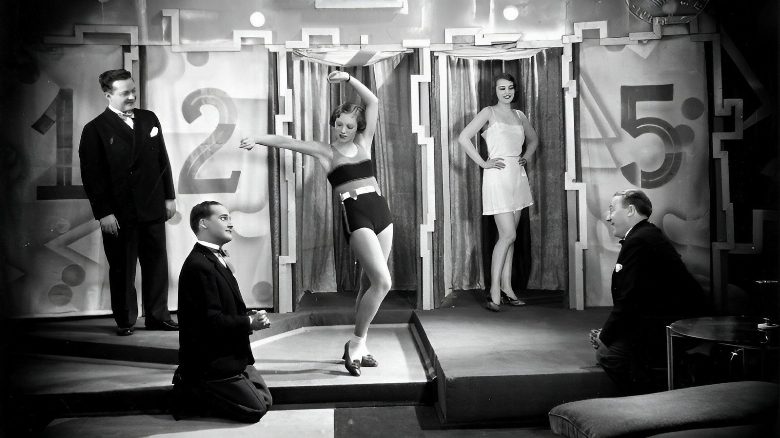
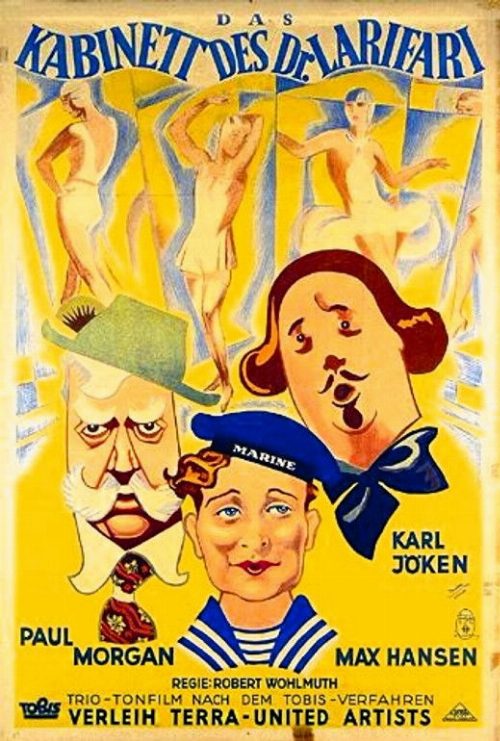
Three friends who are broke decide to found a film production company. When they start shooting their first film chaos arises...
The Cabinet of Dr. Larifari serves as a fascinating historical artifact of Weimar era cinema, capturing a fleeting moment where German comedy began to find its footing through a meta-theatrical lens. While the global film landscape was grappling with the transition to sound, this production opted for a playful, self-referential examination of the industry itself. By centering its narrative on three destitute companions who launch a fledgling studio, the film functions as a lighthearted satire of the very medium it inhabits. It stands out from the heavier, expressionistic dramas typically associated with 1930s Germany, offering instead a glimpse into the chaotic logistics of early filmmaking where every creative decision leads to unforeseen absurdity.
For modern viewers interested in the trajectory of global cinema, this film occupies a space similar to contemporary industry satires that poke fun at the trials of independent production. It operates on a frequency of slapstick and situational humor that transcends linguistic barriers, making it an accessible entry point for those looking to explore pre-war European comedy. The ensemble cast, featuring performers like Alice Hechy and Carl Jöken, delivers a frantic energy that mirrors the desperation and ambition of their characters. Their performances underscore a specific style of physical comedy that was gaining traction at the time, providing a clear contrast to the more rigid dramatic acting standards of the late silent era that were only just beginning to evolve alongside new audio technologies.
Cinema enthusiasts who appreciate films about the craft of movie-making will find this project particularly engaging, as it functions as a precursor to the many backstage comedies that define modern Hollywood and international markets today. Much like the current trend in Indian cinema where regional industries are increasingly turning the camera toward their own internal workings and struggles, this piece demonstrates that the fascination with the chaos of a film set is a universal and timeless theme. It is not merely a relic of a bygone age but a clever observation on the fragility of creative dreams. By grounding its humor in the relatable frustration of having big ideas with empty pockets, the work remains surprisingly relevant for any audience that understands the thin line between a cinematic masterpiece and a total production disaster. Whether viewed as a historical curiosity or a simple piece of entertainment, it captures the spirit of early experimental comedy with a charm that survives nearly a century later.
Cast(11)







Crew
Similar Films