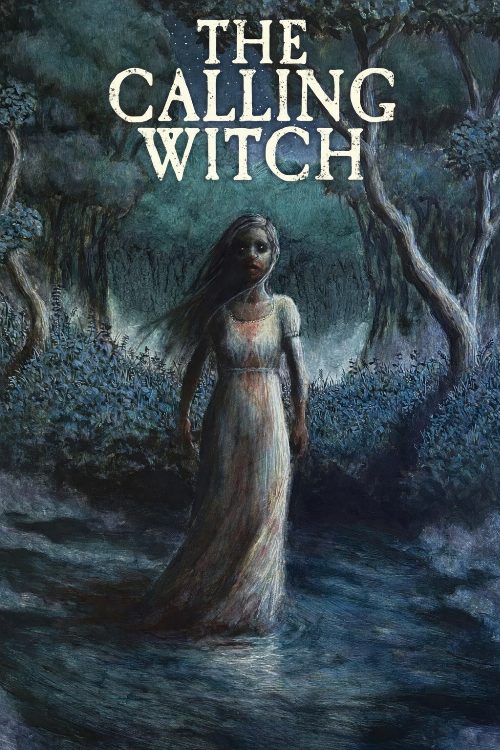
About The Calling Witch
A brother and sister are terrorized by what seems to be their late-author mother's most sinister literary creation - The Calling Witch.
The haunting intersection of grief and creative legacy takes center stage in The Calling Witch, a psychological thriller that transforms the intimate trauma of losing a parent into a visceral nightmare. While modern horror cinema frequently relies on tired jump scares, director Mark Wilson opts for a more atmospheric approach, grounding the terror in the strained relationship between two siblings who must confront the manifestations of their mother’s dark imagination. The film positions itself as a character study disguised as a supernatural mystery, suggesting that the most terrifying spirits are those born from our own unresolved family histories rather than external entities. By focusing on the weight of an artistic inheritance, the narrative taps into a universal anxiety regarding how much of our parents we carry within ourselves, both in talent and in shadow.
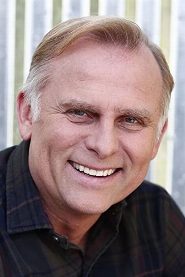
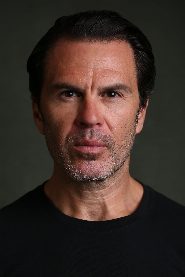
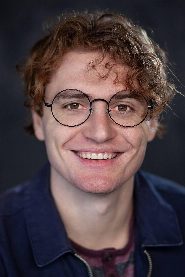
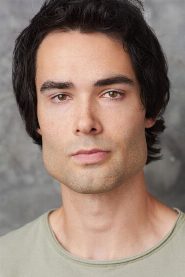
For audiences familiar with the current shift in global genre filmmaking, The Calling Witch feels like a calculated departure from the spectacle-heavy blockbusters that dominate today’s multiplexes. It leans into the nuanced, slow-burn tension often found in elevated international dramas, making it a compelling choice for viewers who prefer psychological depth over mindless gore. The ensemble cast, featuring Greg Lutz and Danika Golombek, carries the heavy lifting of the emotional stakes, anchoring the film when the boundaries between reality and fiction begin to blur. Their performances are essential to maintaining the film’s credibility, as the story demands a high level of vulnerability from its leads to make the escalating threat feel genuinely dangerous rather than merely fantastic.
Mark Wilson demonstrates a clear intent to challenge genre conventions by prioritizing the internal collapse of his protagonists over the external mechanics of the haunting. This film will likely resonate with fans of cerebral horror who value subtext and thematic richness, as well as those who appreciate stories that explore the darker side of the creative process. As the story unfolds, the film asks difficult questions about the boundaries of authorship and the potential for a creator’s obsessions to outlive their own physical existence. It is a stark reminder that some legacies are better left buried, and that digging into the past can sometimes summon things that are best left to the quiet corners of a dusty library. With its focus on intense familial dynamics and a brooding, suspenseful pace, this project invites viewers to consider if we are ever truly free from the stories written for us by those who came before.
Cast(10)