
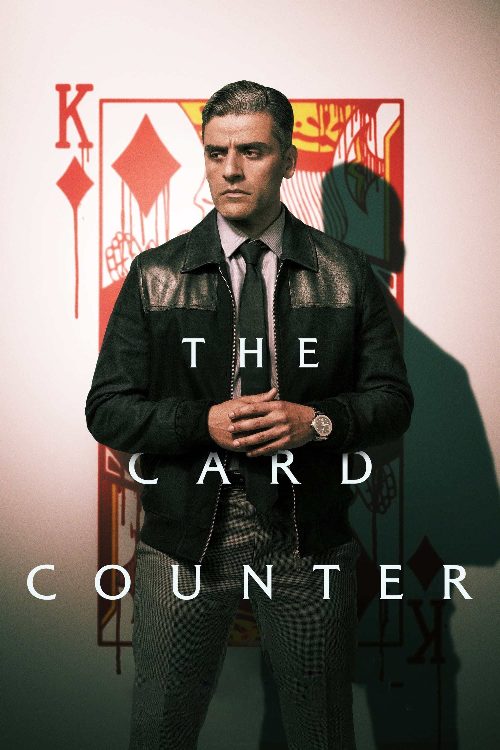
The Card Counter(2021)
About The Card Counter
William Tell just wants to play cards. His spartan existence on the casino trail is shattered when he is approached by Cirk, a vulnerable and angry young man seeking help to execute his plan for revenge on a military colonel. Tell sees a chance at redemption through his relationship with Cirk. But keeping Cirk on the straight-and-narrow proves impossible, dragging Tell back into the darkness of his past.
Paul Schrader has long been a master of the solitary male protagonist drifting through the underbelly of American life, and his work in The Card Counter feels like a spiritual successor to his most iconic explorations of guilt and isolation. The film centers on William Tell, a man whose life is defined by the rigid, mathematical rhythm of blackjack tables and anonymous motel rooms. While the premise might initially suggest a standard gambling thriller, the narrative quickly pivots into a psychological character study that examines the corrosive nature of buried trauma. Oscar Isaac delivers a haunting, restrained performance that anchors the film, portraying a man who treats his daily life as an exercise in penance rather than a pursuit of wealth.
For audiences accustomed to the high-stakes, fast-paced energy often found in contemporary Indian cinema, this film offers a starkly different experience that prioritizes internal tension over kinetic action. Unlike the grand, operatic scales of recent hits from the Telugu or Hindi film industries, this story operates in the shadows, focusing on the quiet devastation of a man haunted by his military past. It is a slow-burn narrative that demands patience, rewarding viewers who appreciate the philosophical weight of a character grappling with the concept of moral accounting. The inclusion of Tye Sheridan as a volatile young man seeking vengeance provides a necessary friction to Tell’s stoic lifestyle, effectively forcing the protagonist to confront the ghosts he spent years trying to suppress.
This film is essential viewing for those who admire the gritty, character-driven dramas that defined the New Hollywood era of the 1970s. It stands out because it refuses to offer easy answers about justice or healing, instead opting to linger in the uncomfortable spaces between personal responsibility and systemic failure. Fans of Willem Dafoe will also find his presence particularly compelling, as he represents the looming shadow of the past that Tell cannot outrun. It is a bleak, meditative piece of filmmaking that finds beauty in the architecture of regret. If you are looking for a story that avoids the tropes of the typical crime thriller in favor of a profound look at the human condition, this is a masterful entry that solidifies the director’s enduring influence on modern psychological cinema.
Cast(27)