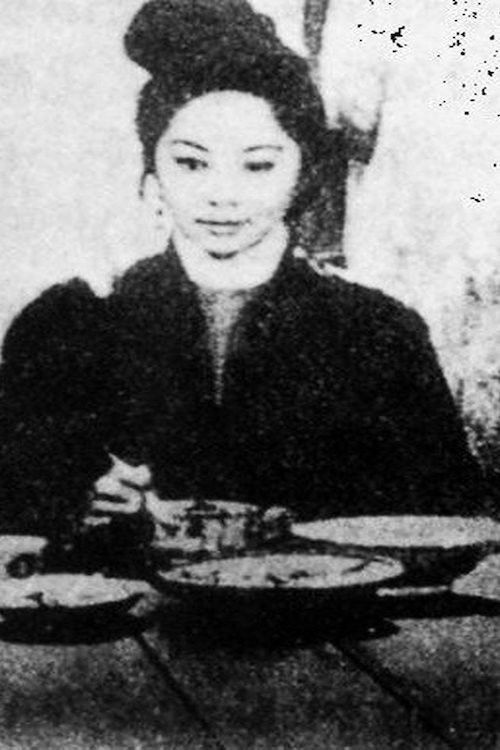
About The Cave of the Silken Web II
After a thousand years, the Taoist master Huang Hua Guan and his disciples regained human forms, as did the seven spider spirits, who vowed to abandon evil. To warn others, the Taoist priests told this story: Fifteen hundred years later, student Xiao Liu mistakenly entered a women’s bathroom and saw Wenxia bathing, leading to his public humiliation. When his sister Liu Cui reported it, Wenxia framed her, prompting Liu Cui to swear revenge. Wenxia, who had many boyfriends, stirred rivalry between Lu Xing and Chunfeng. During a trip, Wenxia and Chunfeng were attacked by someone bribed by Liu Cui, and both were injured. Daxiong saved Wenxia but had bad intentions, leading to a fight in which Lu Xing, Chunfeng, and Daxiong died, and Wenxia was trapped. Liu Cui was arrested for murder. Hearing this story, Wukong appeared, scaring the demons into releasing the Tang Monk.
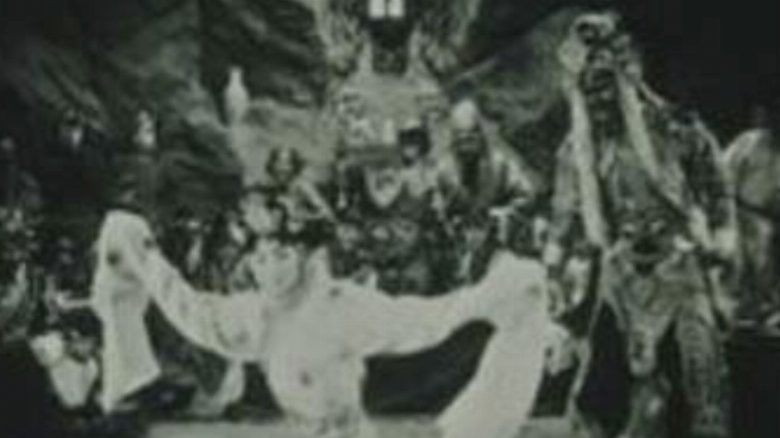
Stepping back into the silent era of Chinese cinema, The Cave of the Silken Web II serves as a fascinating relic that bridges the gap between traditional folklore and the rapid modernization of early twentieth-century Shanghai. While contemporary Indian audiences are currently witnessing a massive surge in mythological epics and high-concept fantasy narratives that blend regional legends with cutting-edge visual effects, this 1930 production highlights how such genre-bending storytelling has deep historical roots. Directed by Dan Duyu, the film moves beyond simple supernatural spectacle to explore the tangled webs of human desire and moral frailty, utilizing the iconic spider spirits not merely as monsters but as mirrors for the complicated social dynamics of the period.
The film distinguishes itself by pivoting from its predecessor’s purely fantastical roots into a grounded, almost cautionary tale that feels surprisingly modern in its depiction of urban intrigue and personal vendettas. By weaving the legendary journey of the Tang Monk into a framing device that observes the chaotic lives of ordinary students and rivals, the narrative creates a unique friction between the divine and the mundane. Yin Mingzhu commands the screen with a performance that balances the allure of a femme fatale with the vulnerability of a trapped soul, grounding the film’s more surreal horror elements in a recognizable human experience. For viewers who appreciate the stylistic risks taken by early filmmakers, this work offers a masterclass in atmosphere and pacing.
This production is essential viewing for those interested in the evolution of Eastern fantasy cinema and the ways in which directors like Dan Duyu experimented with complex, multi-layered storytelling long before it became a standard industry practice. It functions as a precursor to the modern trend of deconstructing classic myths to highlight contemporary anxieties, a strategy that remains incredibly popular in today’s Tamil and Telugu film industries. Whether you are a fan of historical cinematography or simply curious about the precursors to modern horror-fantasy hybrids, this film provides a compelling look at how ancient morality tales were reimagined to reflect the shifting values of a changing world. It remains a testament to the creative ambition of the Shanghai studio era, proving that the struggle between shadow and light is a universal theme that transcends both geography and time.
Crew
Screenplay
Director
Similar Films