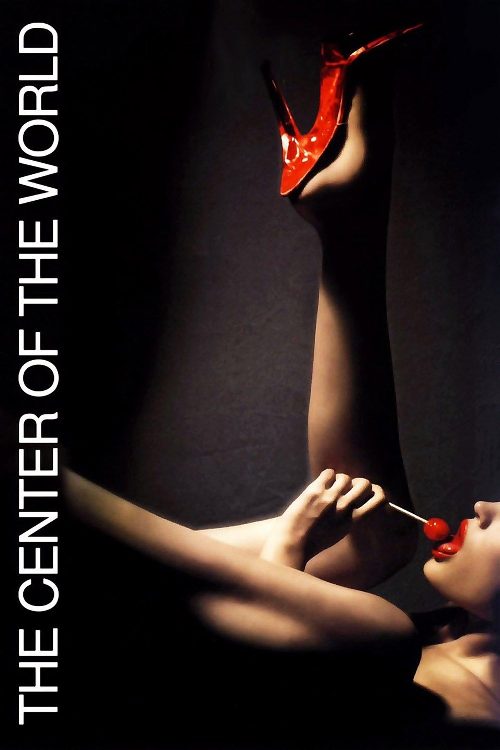
The Center of the World(2001)
About The Center of the World
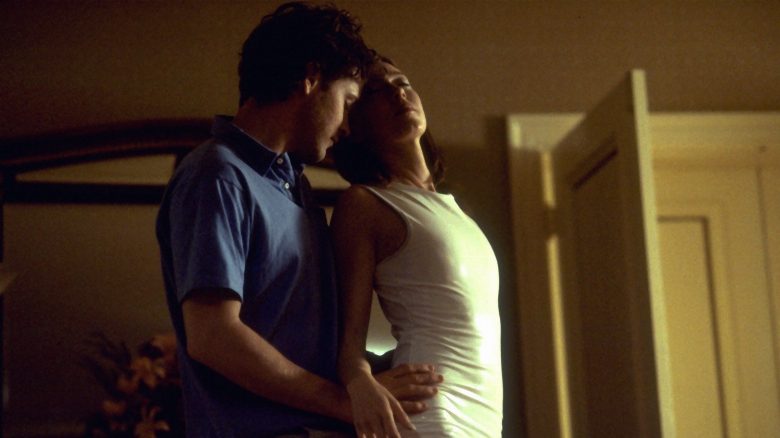
A couple checks into a suite in Las Vegas. In flashbacks we see that he's a computer whiz on the verge of becoming a dot.com millionaire, she's a lap dancer at a club. He's depressed, withdrawing from work, missing meetings with investors. He wants a connection, so he offers her $10,000 to spend three nights with him in Vegas, and she accepts with conditions. Is mutual attraction stirring?
The neon glow of Las Vegas has long served as a cinematic backdrop for transactional intimacy, yet The Center of the World manages to strip away the usual glitz to examine the stark loneliness of the digital age. This 2001 drama arrives as a fascinating time capsule from the height of the dot-com boom, capturing a specific moment when personal isolation collided with sudden, unearned wealth. The story follows a brilliant software developer who finds himself spiritually adrift despite his impending financial success. Seeking a reprieve from his existential malaise, he proposes an unconventional arrangement to a dancer he admires, paying a significant sum for her companionship over a long weekend. What unfolds is not a simple romance but a tense psychological exploration of the power dynamics inherent in paid intimacy, forcing both characters to navigate the blurry lines between professional detachment and genuine vulnerability.
While the film operates within a different cultural landscape than the vibrant storytelling traditions of Telugu or Hindi cinema, its exploration of status and human yearning resonates with global audiences who appreciate character-driven narratives. Much like the contemporary dramas that thrive in the indie circuits of Mumbai or Hyderabad, this film is less interested in spectacle and more focused on the quiet, often uncomfortable spaces between two people. It eschews the typical tropes of the genre by refusing to provide easy answers about the legitimacy of the bond forming between the leads. Viewers who enjoy films that prioritize mood and subtext over traditional plot progression will find the deliberate pacing particularly effective, as it forces the audience to scrutinize every glance and hesitant conversation occurring within that claustrophobic hotel suite.
Director Wayne Wang brings an observational, almost clinical eye to the project, effectively mirroring the protagonist’s own detached view of his reality. Molly Parker delivers a performance that is central to the film's success, providing a grounded, grounded counterpoint to the restless energy of her co-star. For cinephiles who track the evolution of independent filmmaking, this production stands as a poignant reminder of how personal stories can be told against the backdrop of massive societal shifts. It is a film for those who prefer their cinema to be challenging and introspective, serving as a precursor to the modern tendency to deconstruct the digital connections that define our current lives. By focusing on the friction between these two disparate individuals, the film succeeds in making the sprawling, neon-drenched desert feel like a lonely, singular point of convergence.
Cast(19)